



before pet emergency vet Key Takeaways
Knowing exactly what to do before pet emergency vet care can reduce panic, save critical minutes, and prevent common mistakes that complicate treatment.
- Gather medical records and a pet first-aid kit before pet emergency vet visits to avoid delays.
- Call ahead to confirm the clinic is open and prepared for your pet’s specific condition.
- Secure your pet safely during transport to prevent injury and reduce stress.
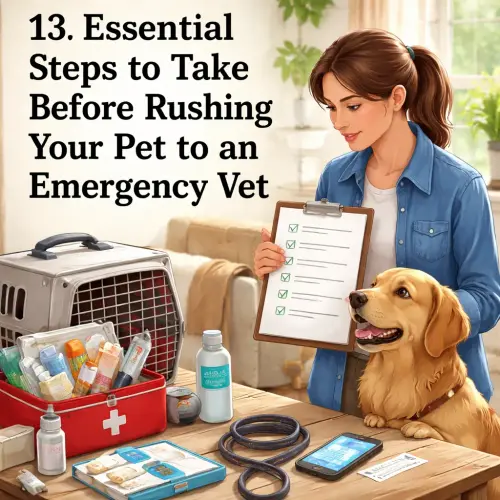
Steps to Take Before Rushing Your Pet to an Emergency Vet
When a pet suddenly collapses, chokes, or suffers an injury, panic can derail even the best intentions. Taking a few steps before pet emergency vet care is needed can make the difference between a smooth recovery and a tragic outcome. From having a first-aid kit ready to knowing the fastest route to the clinic, preparation reduces chaos and helps veterinarians treat your pet faster.
Common Mistakes Pet Owners Make in a Crisis
- Driving to the nearest clinic without calling first — it may be full or not equipped for your pet’s issue.
- Forgetting to bring medical records or medication lists, forcing the vet to guess.
- Attempting home treatments that worsen the injury, such as inducing vomiting after certain toxins.
13 Steps to Take Before Pet Emergency Vet Care
Follow these steps in order when you suspect a veterinary emergency. Each step is designed to keep your pet safe and help the vet team work efficiently. For a related guide, see 7 Essential Ways to Keep Pets Safe During Typhoons.
Step 1: Stay Calm and Assess the Situation
Take three deep breaths. A clear mind helps you decide if the situation is truly life-threatening. Check your pet’s breathing, gum color, and consciousness. If the pet is stable, you have time to prepare. If not, move immediately to Step 2.
Step 2: Call the Emergency Vet Clinic
Call ahead to confirm they are open, have space, and can handle your pet’s condition. Ask about specific symptoms and whether they recommend bringing your pet in. This call also alerts the staff to prepare for your arrival.
Step 3: Gather Your Pet’s Medical Records
Collect vaccination records, recent blood work, and a list of medications. If your pet has a microchip, note the number. Having these documents ready before pet emergency vet treatment avoids delays and dangerous assumptions.
Step 4: Prepare a Pet Emergency Kit
Keep a dedicated bag near the door with these items:
- Leash, collar, and muzzle (even friendly pets bite when in pain)
- Clean towel or blanket for warmth and restraint
- Gauze pads, non-stick bandages, and medical tape
- Disposable gloves and saline solution for wound rinsing
- Your vet’s phone number and the closest 24-hour animal hospital address
Step 5: Secure Your Pet Safely
Place small pets in a sturdy carrier lined with a towel. For larger dogs, use a harness and a short leash. In extreme cases, use a blanket as a stretcher. Never hold an injured pet in your lap while driving — sudden movements can worsen spinal or internal injuries.
Step 6: Minimize Movement
If your pet has a suspected fracture or spinal injury, keep them as still as possible. Use a flat board, a rigid carrier, or even a sturdy piece of cardboard as a makeshift stretcher. This step is critical before pet emergency vet care to avoid additional harm.
Step 7: Write Down Symptoms and Timeline
Note when symptoms first appeared, what your pet ate or drank, and any medications given. Write down any vomiting, diarrhea, or seizure activity with approximate times. The vet will use this history to make a faster diagnosis.
Step 8: Check for Toxins or Foreign Objects
Look around your home for chewed plants, open pill bottles, or damaged packaging. If you suspect poisoning, bring the container or plant sample with you. Do not induce vomiting unless a poison control expert instructs you to.
Step 9: Bring a Friend or Family Member
If possible, have another person drive while you focus on your pet. They can also help hold the pet, manage paperwork, and communicate with the vet. This reduces your stress and keeps your hands free. For a related guide, see 12 First-Time Pet Owner Tips: Essential Advice for New Pet.
Step 10: Plan the Fastest Route
Use a GPS to check traffic and identify the quickest path to the clinic. Keep a written backup map in case your phone dies. For rural areas, know the location of the nearest 24-hour facility even if it’s farther away.
Step 11: Bring Water and a Portable Bowl
Offer small amounts of water only if your pet is conscious and not vomiting. Dehydration can complicate many conditions. A portable bowl also helps if you have to wait outside or in the car.
Step 12: Know Your Payment Method
Emergency vet visits are expensive. Have your credit card, a checkbook, or pet insurance information ready. Many clinics require payment at the time of service. If you have pet insurance, call the provider now to start the claim process.
Step 13: Keep Your Phone Charged
A fully charged phone lets you call ahead, navigate, and photograph symptoms or toxins. Bring a car charger or portable power bank. This simple step before pet emergency vet visits can prevent communication breakdowns.
What to Expect at the Emergency Vet Clinic
When you arrive, a veterinary technician will triage your pet — meaning they assess severity and treat the most critical cases first. You will be asked to sign consent forms and provide a deposit. Be ready to describe symptoms honestly and answer questions about your pet’s history.
How Long Does It Take?
Wait times vary from 15 minutes to several hours, depending on caseload. Bring a book, snacks, and patience. Do not leave the clinic without a discharge summary, follow-up plan, and any prescribed medications.
Pet Emergency Vet Checklist: Quick Reference
| Item | Action | Why It Matters |
|---|---|---|
| Stay calm | Assess breathing and consciousness | Prevents panic-driven decisions |
| Call clinic | Confirm availability and give symptoms | Ensures you treat the right facility |
| Gather records | Vaccinations, medications, microchip | Avoids dangerous assumptions |
| Secure pet | Carrier, harness, or stretcher | Prevents injury during transport |
| Write symptoms | Timeline, substances ingested, behavior | Speeds diagnosis |
| Bring payment | Insurance info, credit card | Ensures timely treatment |
Frequently Asked Questions About before pet emergency vet
What should I do if my pet stops breathing before pet emergency vet arrival?
If your pet is not breathing and has no pulse, begin CPR — chest compressions at 100–120 per minute for dogs, and two-finger compressions for cats — while someone else drives to the vet. Have the clinic staff guide you over the phone.
Can I give my pet human pain relievers before going to the vet?
Never give human medications like ibuprofen, acetaminophen, or aspirin to pets without veterinary guidance. Many are toxic and can cause kidney failure or internal bleeding.
Should I muzzle my pet before bringing them to the vet?
Yes, if your pet is in pain or frightened. A muzzle protects you and the vet staff. Use a basket muzzle so your pet can still pant and breathe. Practice fitting it at home before pet emergency vet visits.
How do I transport a large dog with a suspected spinal injury?
Slide a rigid board, a flat piece of plywood, or a sturdy door under your dog while keeping the spine as straight as possible. Use towels to secure the head and body. Lift the board with help from another person.
What if the emergency vet clinic is full when I call?
Ask if they can recommend another facility nearby or if they can see your pet for a quick triage. If your pet is stable, follow their instructions. If critical, drive to the next closest 24-hour clinic.
Do I need to bring my pet’s food or treats?
Not usually, but if your pet has a special diet or food allergies, bring a small bag of their regular food. The clinic may need to offer it if your pet is hospitalized.
How do I keep my pet calm during the drive?
Speak in a quiet, reassuring tone. Cover the carrier with a light blanket to reduce visual stimuli. Avoid loud music or sudden braking. A familiar toy or blanket can also help.
What should I do if my pet has eaten chocolate?
Check the type and amount of chocolate. Dark chocolate and baking chocolate are most toxic. Call the Pet Poison Helpline (855-764-7661) or your vet immediately. Do not induce vomiting unless directed.
Is it okay to drive myself if I am alone with my pet?
If you are calm and your pet is secured, yes. If you feel faint or overwhelmed, call a neighbor or rideshare service. Your safety matters too.
How do I know if my cat is having a urinary emergency?
Signs include straining to urinate, crying in the litter box, bloody urine, or no urine for 24 hours. This can be a life-threatening blockage in male cats requiring immediate care.
What documents should I keep in my pet emergency kit?
Keep a laminated card with your vet’s phone number, pet insurance ID, rabies vaccination date, and a list of any chronic conditions. Also include a recent photo of your pet for identification.
Can I apply a tourniquet for bleeding before arriving at the vet?
Only if bleeding is severe and you cannot control it with direct pressure. Tourniquets can damage tissue and cause limb loss if left too long. Use a clean cloth and press firmly on the wound first.
Should I clean my pet’s wound before going to the vet?
Do not apply ointment or hydrogen peroxide to deep wounds. Rinse with sterile saline if possible, then cover with a clean bandage. Leave surgical care to the vet.
What if my pet has a seizure?
Time the seizure. Clear away objects that could hurt your pet. Do not put your hand in their mouth. If the seizure lasts more than 2–3 minutes, call the vet immediately. Wrap your pet in a towel and bring them in.
How do I prepare my other pets for an emergency vet trip?
If only one pet is injured, keep the others in a separate room to reduce chaos. Ask a neighbor or friend to watch them while you go. The injured pet will be more stressed with other animals nearby.
Is it safe to give my pet water before surgery or treatment?
Unless your pet is clearly dehydrated, do not force water. Many procedures require an empty stomach. The vet will administer fluids intravenously if needed.
What should I do if my pet is hit by a car?
Approach slowly and use a blanket to lift them onto a flat surface. Do not move them unless necessary. Call the vet to advise on the best way to transport. Internal injuries may not be visible.
How do I pay for emergency vet care if I don’t have insurance?
Ask if the clinic accepts CareCredit or Scratchpay — both offer short-term, no-interest financing. Some clinics also accept payment plans for established clients.
Can I take my pet to a regular vet instead of an emergency clinic?
Only if your regular vet is open and has capacity for emergencies. General practice vets often do not have 24-hour staff or advanced equipment like ventilators. Call first to check.
How do I know if my pet is in shock?
Signs include pale or blue gums, rapid weak pulse, shallow breathing, cold extremities, and lethargy. Keep your pet warm and lying on their right side. Transport immediately.