



symptoms of urinary tract problems in cats Key Takeaways
Common underlying causes include urinary tract infections (UTIs), bladder stones, urethral plugs, idiopathic cystitis (inflammation with no known cause), and anatomical abnormalities.
- Frequent, painful, or absent urination are primary symptoms of urinary tract problems in cats .
- Blood in urine, excessive grooming of the genital area, and sudden behavior changes are red flags.
- Prompt veterinary care dramatically improves outcomes for conditions like FLUTD, bladder stones, and infections.
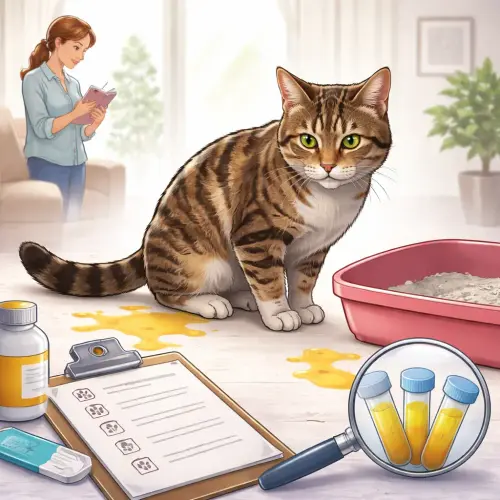
Understanding the symptoms of urinary tract problems in cats: Why Early Detection Matters
Feline lower urinary tract disease (FLUTD) affects approximately 1.5% of cats seen by veterinarians each year. The symptoms of urinary tract problems in cats can range from subtle (slightly more frequent trips to the litter box) to critical (complete blockage preventing urination). Male cats are especially at risk for life-threatening urethral obstructions. By learning these 14 signs, you become your cat’s first line of defense. For a related guide, see 11 Proven Ways Regular Vet Visits Help Pets Live Longer.
What Causes Urinary Issues in Cats?
Common underlying causes include urinary tract infections (UTIs), bladder stones, urethral plugs, idiopathic cystitis (inflammation with no known cause), and anatomical abnormalities. Stress, diet, dehydration, and obesity are significant risk factors. Knowing the signs helps your veterinarian diagnose the specific cause faster.
14 Specific symptoms of urinary tract problems in cats You Should Watch For
Each symptom below is explained with practical details to help you identify issues early. If your cat shows any combination of these signs, contact your veterinarian promptly.
1. Straining to Urinate
Your cat may squat for a long time in the litter box with little or no urine produced. This is one of the most common symptoms of urinary tract problems in cats and may indicate a blockage, especially in male cats. Straining without producing urine is a medical emergency.
2. Frequent Urination
If your cat visits the litter box more often than usual but passes only small amounts each time, it could signal inflammation or infection. Cat UTI symptoms often include polakiuria (frequent urination). Keep an eye on how often your cat uses the box.
3. Blood in the Urine
Hematuria (blood in urine) may appear as pink, red, or brown discoloration. It can be visible to the naked eye or only detected under a microscope by a vet. Blood is a clear indicator that something is wrong in your cat’s urinary tract.
4. Urinating Outside the Litter Box
When a cat associates the litter box with pain, it may begin eliminating on cool, smooth surfaces like tile floors, bathtubs, or sinks. This behavioral change is a classic sign of a urinary problem and should never be dismissed as “acting out.”
5. Excessive Licking of Genitals
Cats naturally groom, but if your cat is constantly licking its genital area, it may be trying to soothe irritation or pain. This can lead to redness, swelling, or even hair loss around the area.
6. Crying or Vocalizing While Urinating
Pain during urination (dysuria) often causes cats to meow, yowl, or cry while in the litter box. This is one of the most distressing symptoms of urinary tract problems in cats for owners to witness. It strongly suggests inflammation or obstruction.
7. Dribbling Urine
Involuntary leakage of urine, especially when your cat is resting or sleeping, can indicate a loss of bladder control due to a partial obstruction or nerve issue. You may notice wet spots on bedding or furniture.
8. Strong or Unusual Urine Odor
A particularly foul or ammonia-like smell can signal a bacterial infection. While cat urine naturally has an odor, a sudden change to a stronger, more pungent smell is worth investigating.
9. Cloudy or Discolored Urine
Healthy cat urine is clear to pale yellow. Cloudiness or a dark, concentrated appearance may indicate pus, crystals, or blood. Checking the litter box clumps can reveal changes you might otherwise miss.
10. Lethargy and Depression
Urinary discomfort is exhausting and painful. Affected cats often become withdrawn, hide more than usual, lose interest in play, and sleep excessively. If your normally active cat seems sluggish, consider urinary causes.
11. Reduced Appetite or Weight Loss
Pain and illness from a urinary tract problem can suppress your cat’s appetite. If your cat refuses food for more than 24 hours or starts losing weight, it’s time for a veterinary check-up. Many urinary tract problems in cats require dietary management. For a related guide, see 7 Warning Signs Your Cat Needs Urgent Veterinary Attention.
12. Vomiting
When waste products build up in the blood due to a blocked urinary tract, cats can become nauseous and vomit. This is a serious sign that often accompanies a complete urethral obstruction, which is a life-threatening emergency.
13. Restlessness or Pacing
A cat that can’t get comfortable due to bladder pain may pace, circle, or repeatedly get in and out of the litter box without producing urine. This restlessness is a key indicator that something is very wrong.
14. Hiding or Avoiding Human Contact
Pain triggers survival instincts. Cats in distress may hide under beds, in closets, or behind furniture. If a normally social cat starts avoiding you, coupled with any other sign on this list, contact your vet.
When to Seek Emergency Veterinary Care
If your cat is straining to urinate with no output, vomiting, or acting profoundly lethargic, seek emergency care immediately. Complete urethral obstruction can cause kidney failure and death within 24–48 hours. Even mild symptoms of urinary tract problems in cats warrant a vet appointment within 24 hours.
Diagnostic Tests Your Vet May Recommend
Your veterinarian will likely perform a urinalysis, blood work, imaging (X-rays or ultrasound), and possibly a urine culture. These tests identify infections, crystals, stones, and other underlying causes so the right treatment can begin.
Treatment Options Based on the Cause
Treatment depends on the specific diagnosis. Bacterial infections require antibiotics. Bladder stones may need surgical removal or a special dissolution diet. Idiopathic cystitis often benefits from stress reduction, environmental enrichment, and pain management. Your vet will tailor a plan for your cat.
Preventive Measures You Can Take at Home
Increase water intake by providing a cat water fountain, offer wet food, and ensure multiple clean litter boxes (one per cat plus one extra). Reduce stress with consistent routines, hiding spots, and interactive play. These steps lower the risk of recurrence for many urinary tract problems in cats.
Useful Resources
For more detailed information on feline urinary health, visit the VCA Animal Hospitals guide on FLUTD. The Cornell University College of Veterinary Medicine Feline Health Center also offers excellent resources on prevention and treatment of urinary issues.
Frequently Asked Questions About symptoms of urinary tract problems in cats
What is the most common symptom of a UTI in a cat?
Straining to urinate and frequent small-volume urination are among the most common cat UTI symptoms. However, many cats show subtle signs first.
Can a cat UTI go away on its own?
It is unlikely. UTIs in cats typically require antibiotics. Without treatment, they can progress to kidney infections or obstructions.
How do vets check for urinary problems in cats?
Vets use a urinalysis, blood work, and imaging like X-rays or ultrasound to diagnose the cause of urinary signs.
What does stress have to do with urinary issues in cats?
Stress is a major trigger for feline idiopathic cystitis, a common cause of lower urinary tract symptoms. Reducing stress helps many cats.
Are male cats more prone to urinary blockages?
Yes. Male cats have a narrower urethra, making them far more susceptible to life-threatening obstructions from crystals or plugs.
What should I do if I see blood in my cat’s urine?
Schedule a vet appointment immediately. Blood in urine always warrants professional evaluation to determine the cause.
Can diet affect urinary tract health in cats?
Absolutely. Diets formulated to manage urinary pH and mineral levels can prevent crystals and stones. Always consult your vet before changing food.
How do I know if my cat has a blockage vs. an infection?
Blockages usually cause complete inability to urinate, vomiting, and severe lethargy. Infections tend to cause frequent painful urination. A vet must differentiate.
Can a cat die from a urinary tract problem?
Yes, especially from a complete urethral obstruction. That is why early recognition of symptoms of urinary tract problems in cats is so critical.
How much does it cost to treat a UTI in a cat?
Costs vary by region, but a basic urinalysis and antibiotic course typically range from $100 to $300. Emergency blockages can cost $1,500–$3,000.
Is it normal for a cat to urinate outside the box when sick?
Yes. Painful urination can cause a cat to associate the litter box with discomfort, leading to avoidance. This is a common sign of urinary issues in cats.
How can I tell if my cat is in pain while urinating?
Look for straining, crying, or prolonged squatting with little urine produced. These are strong indicators of pain during urination.
What is feline idiopathic cystitis?
It is inflammation of the bladder with no identifiable infection, crystals, or tumor. Stress and environmental factors play a major role.
Can over-the-counter supplements help my cat’s urinary health?
Some supplements like glucosamine or cranberry extract may support bladder health, but they should never replace veterinary treatment for active symptoms.
How long does it take for a cat UTI to clear with antibiotics?
Most UTIs improve within 48–72 hours of starting appropriate antibiotics, but the full course must be completed to prevent recurrence.
Should I change my cat’s litter if they have a urinary problem?
Using a dust-free, unscented, soft-textured litter may encourage your cat to use the box while they heal. Avoid drastic changes during treatment.
Do female cats get UTIs more often than males?
Yes, female cats are more prone to bacterial UTIs due to their shorter urethra, while males are more prone to blockages.
Can a urinary problem cause a cat to lose weight?
Yes. Chronic pain, nausea, and reduced appetite can all lead to weight loss over time. Treating the underlying issue often reverses the trend.
What is the survival rate for a blocked cat?
With prompt veterinary care, the survival rate is very high (over 90%). Without treatment, the condition is almost always fatal within days.
How often should I have my senior cat’s urine checked?
Annual wellness exams including a urinalysis are recommended for cats over 7 years old, as urinary issues become more common with age.