



help senior pets stay active Key Takeaways
Aging brings natural changes: reduced muscle mass, stiffer joints, and a slower metabolism.
- Focus on help senior pets stay active with gentle, consistent routines that respect their changing bodies.
- Combine physical exercise with enrichment activities to keep their mind sharp and spirits high.
- Work closely with your veterinarian to adjust activity levels and address pain or stiffness early.
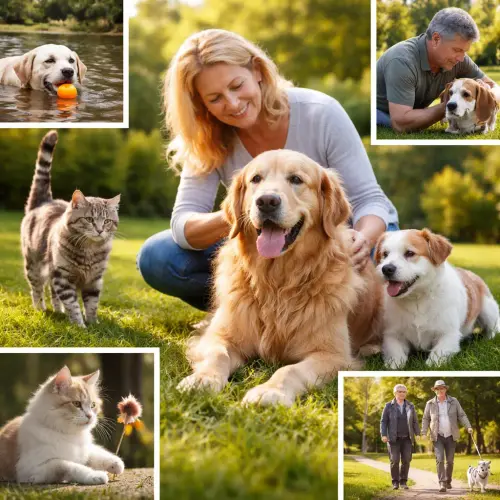
Why Prioritizing Ways to Keep Senior Pets Active and Healthy
Aging brings natural changes: reduced muscle mass, stiffer joints, and a slower metabolism. But a sedentary lifestyle accelerates decline. Regular, appropriate activity can slow age-related muscle loss, maintain joint flexibility, and prevent obesity — a major contributor to diabetes, arthritis, and heart disease.
Beyond the physical benefits, staying active supports cognitive function. Just like humans, senior pets who engage in regular movement and problem-solving activities show slower progression of cognitive dysfunction. The key is adapting senior pet activity to match your pet’s current abilities without causing pain or injury.
9 Ways to Help Senior Pets Stay Active
1. Short, Frequent Walks on Soft Surfaces
Instead of one long walk, break exercise into two or three short sessions. Limit each walk to 10–15 minutes on grass or dirt paths rather than concrete or asphalt. Soft ground reduces impact on aging joints and pads. Let your pet set the pace — if they stop to sniff, that counts as mental enrichment, too.
Practical tip: Use a well-fitted harness instead of a collar to protect the neck and spine. For dogs with arthritis, consider a supportive sling under the belly during walks.
2. Low-Impact Swimming or Hydrotherapy
Water offers buoyancy that takes pressure off painful joints while providing gentle resistance to strengthen muscles. Many pet rehabilitation centers offer canine hydrotherapy pools or underwater treadmills. Even a shallow kiddie pool in the backyard can become a safe place for your dog to paddle.
Practical tip: Always supervise water activity, keep sessions under 10 minutes, and rinse your pet’s coat afterward to prevent skin irritation.
3. Gentle Stretching and Range-of-Motion Exercises
Passive stretching helps maintain flexibility and prevent stiffness. Gently extend and flex each leg, one at a time, holding each stretch for 10–15 seconds. Stop if your pet shows any sign of discomfort. These exercises are especially helpful before or after walks.
Practical tip: Perform stretches on a warm, padded surface. If your pet seems tense, start with a brief massage to relax the muscles first.
4. Interactive Puzzle Toys and Food Dispensers
Mental stimulation is a vital part of keeping senior pets active. Puzzle toys that dispense treats or kibble encourage problem-solving and slow down eating. For cats, treat balls or puzzle feeders work similarly. These activities keep the brain engaged without taxing the body. For a related guide, see 10 Essential Activities to Keep Pets Active and Healthy.
Practical tip: Rotate toys every few days to maintain novelty. Start with easier puzzles and gradually increase difficulty as your pet learns.
5. Nose Work and Scent Games
Hide treats around the house or in a snuffle mat and let your pet use their nose to find them. This taps into a dog’s or cat’s natural foraging instinct and provides low-impact mental and physical engagement. You can also scatter kibble in the grass for a gentle scavenger hunt in the yard.
Practical tip: Begin with obvious hiding spots, then move to slightly harder ones. Reward success with praise or a small training treat.
6. Modified Fetch or Tug with Soft Toys
Classic games can be adapted: roll the ball instead of throwing it far, or use a soft, lightweight toy for tug-of-war. Keep sessions short — 5 minutes at a time — and let your pet decide when to stop. Tug games build core strength without high-impact running.
Practical tip: Avoid jerky movements. Let your pet win often to keep the game positive. If arthritis affects their jaw, choose a toy they can grip gently.
7. Raised Food Bowls and Slow Feeders
Elevating food and water bowls to shoulder height reduces neck strain for large dogs and makes eating more comfortable for arthritic pets. Slow-feeder bowls or maze mats encourage senior pet activity during meals and help with digestion and weight management.
Practical tip: Choose non-slip bowls with a gentle slope. For cats, a shallow dish prevents whisker fatigue and encourages them to eat slowly.
8. Balance and Stability Exercises
Simple exercises like standing on a padded mat for 10 seconds, lifting one front paw at a time, or walking over a low pole improve proprioception (body awareness) and strengthen stabilizing muscles. These activities reduce the risk of falls.
Practical tip: Use a yoga mat or a small foam pad. Always stand beside your pet for support. Reward calm focus with treats.
9. Regular Veterinary Rechecks and Joint Supplementation
Before starting any new senior pet activity routine, get a full veterinary exam. Your vet can identify underlying conditions like arthritis, heart disease, or vision loss that affect exercise tolerance. Joint supplements containing glucosamine, chondroitin, and omega-3 fatty acids can help manage inflammation and support mobility. For a related guide, see 11 Proven Ways Regular Vet Visits Help Pets Live Longer.
Practical tip: Ask your vet about prescription diets formulated for joint health or weight management. Many have specific nutritional profiles for older pets.
Table: Quick Comparison of Senior Pet Activity Options
| Activity | Best For | Duration |
|---|---|---|
| Short walks on grass | Dogs with mild arthritis | 10–15 min, 2x/day |
| Hydrotherapy | Dogs and cats with joint pain | 5–10 min, 2–3x/week |
| Puzzle toys | All senior pets indoors | 5–10 min/session |
| Nose work | Dogs and cats with low energy | 5–10 min/session |
| Balance exercises | Pets needing stability | 5 min, 1–2x/day |
Useful Resources
- For detailed guidance on exercise modifications for arthritic dogs, visit the VCA Hospitals Arthritis in Dogs page.
- Learn about canine cognitive dysfunction and enrichment strategies from the American Kennel Club’s expert article.
Conclusion: Small Steps, Big Difference
Helping your senior pet stay active doesn’t require a complete lifestyle overhaul. Start with one or two of these strategies — maybe a short walk on grass or a new puzzle toy — and build from there. The goal is not to turn back the clock but to make every remaining year as comfortable, joyful, and mobile as possible.
Your challenge this week: Pick one tip from the list above and try it with your pet. Watch how they respond, and celebrate the small wins. Their tail wags (or happy purrs) will tell you everything you need to know.
Frequently Asked Questions About help senior pets stay active
How much exercise does a senior dog need daily?
Most senior dogs benefit from 20–30 minutes of total gentle activity per day, split into two or three short sessions. Adjust based on your pet’s breed, health status, and comfort level.
Can I still play fetch with my old dog?
Yes, but modify it: roll the ball instead of throwing it high or far. Keep sessions very short — 5 minutes — and use a lightweight, soft ball or plush toy.
What signs indicate my senior pet is in pain during activity?
Watch for limping, stiffness after rest, reluctance to stand or climb stairs, whimpering, panting excessively, or a sudden change in behavior. Stop immediately and consult your vet.
Are there specific exercises for senior cats?
Yes. Use interactive wand toys, laser pointers (with care for eyes), puzzle feeders, and treat-dispensing balls. Cat trees with low platforms also encourage gentle climbing.
How can I help my arthritic dog get up from lying down?
Place non-slip rugs on slippery floors, use a supportive sling under the belly for help standing, and install pet ramps for furniture or stairs.
Is swimming safe for all senior dogs?
Not all dogs are natural swimmers. Always introduce water gradually, use a life jacket, stay close by, and consult your vet if your dog has respiratory or heart issues.
What are the best joint supplements for senior pets?
Supplements with glucosamine hydrochloride, chondroitin sulfate, omega-3 fatty acids (from fish oil), and green-lipped mussel powder have strong evidence. Always choose products certified by NASC.
Should I still walk my dog if it’s cold outside?
Yes, but take precautions. Use a dog coat or sweater, check paws for ice buildup, and avoid prolonged exposure below freezing. Shorten the walk and stay on cleared paths.
Can over-exercising harm my senior pet?
Absolutely. Too much high-impact activity can worsen arthritis, cause soft-tissue injury, and lead to fatigue. Stick to low-impact, short-duration exercises and always monitor your pet’s response.
How do I know if my pet is overweight and needs to exercise more?
You should be able to feel your pet’s ribs without pressing hard. If you can’t, or if there is no visible waist when looking from above, your pet may be overweight. Consult your vet for a body condition score and tailored plan.
What indoor activities keep a senior dog busy on rainy days?
Puzzle toys, hide-and-seek with treats, gentle tug-of-war, indoor scent games, and teaching new low-impact tricks (like “spin” or “touch”) are perfect for rainy days. For a related guide, see 10 Proven Mental Stimulation Tips for Pets to Prevent Boredom.
Can older pets learn new tricks?
Yes! Senior pets can learn new cues, especially when training is positive, short, and reward-based. Learning keeps their mind sharp and strengthens your bond.
How often should I take my senior cat to the vet?
Twice a year is recommended for pets over age 7. Blood work, dental checks, and weight monitoring help catch age-related issues early.
Are there any activities I should avoid for a pet with heart disease?
Avoid strenuous running, jumping, or prolonged walks. Always follow your veterinarian’s guidance. Gentle leash walks and mental stimulation are usually safe.
How can I tell if my pet is enjoying an activity?
Look for relaxed body language: a soft mouth, wagging tail (or purring, for cats), willingness to participate, and no signs of stiffness or reluctance afterward.
Should I use a heating pad for my pet’s sore joints?
Only with veterinary approval. Use a low setting, always cover the pad with a towel, never leave it on for more than 15 minutes, and never let your pet chew the cord.
Can diet affect my senior pet’s mobility?
Yes. A high-quality diet with balanced protein, healthy fats, and anti-inflammatory ingredients (like omega-3s) supports joint health and weight management. Avoid fillers and excessive carbohydrates.
How do I introduce a new exercise routine to an older pet?
Start slowly — 5 minutes of gentle activity — and gradually increase over several weeks. Pair with positive reinforcement and watch for any negative reactions.
Is massage beneficial for senior pets?
Yes, gentle massage increases circulation, reduces muscle tension, and can help relax stiff joints. Use slow, circular strokes and watch your pet’s cues to avoid discomfort.
What’s the most important thing to remember about senior pet activity ?
Always prioritize comfort and quality of life over quantity of activity. Listen to your pet, adjust as needed, and remember even a few minutes of gentle movement or play is a win.