



essential vaccines every dog and cat needs Key Takeaways
Vaccinations are a cornerstone of preventive veterinary care, shielding your dog or cat from life-threatening illnesses like rabies, distemper, and parvovirus.
- The essential vaccines every dog and cat needs include rabies and a combination distemper shot, forming the foundation of any vaccination schedule.
- Non-core vaccines, such as those for Bordetella or feline leukemia, are recommended based on your pet’s exposure risk and environment.
- Sticking to a veterinarian-approved vaccination timeline from puppy or kittenhood through adulthood maximizes protection and minimizes gaps in immunity.
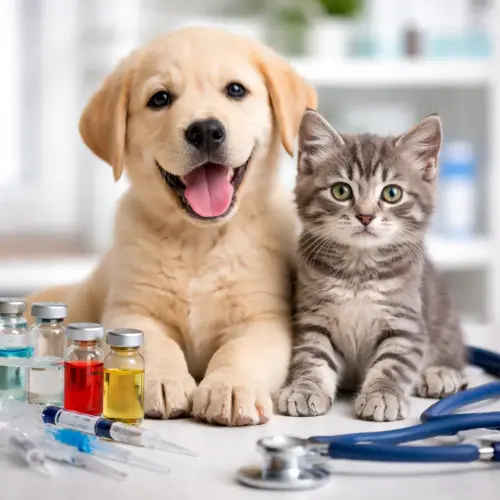
Why Keeping Up With Essential Vaccines Every Dog and Cat Needs Matters
Pet vaccinations are not just a one-time event; they are a lifelong commitment to your companion’s well-being. Vaccines work by stimulating the immune system to recognize and fight off specific viruses and bacteria before they can cause disease. Without them, your pet is vulnerable to highly contagious and often fatal conditions that can also pose risks to other animals and even humans. By staying current with the recommended dog and cat vaccination schedule, you protect your pet during every life stage — from the vulnerable puppy or kitten months to their senior years. For a related guide, see 9 Early Parvovirus Symptoms in Dogs: Essential Warning Signs.
Core Versus Non-Core: Understanding the Difference
Veterinarians divide vaccines into two main categories. Core vaccines for dogs and cats are considered essential for all pets regardless of lifestyle, because the diseases they prevent are widespread, severe, and easily transmitted. Non-core vaccines are given based on your pet’s specific risk factors, such as time spent in boarding kennels, exposure to wildlife, or travel to certain regions. Your veterinarian will help you tailor a plan that covers both categories appropriately.
The 10 Essential Vaccines Every Dog and Cat Needs — Detailed Breakdown
Below is a comprehensive look at each vaccine, what it combats, and when it is typically administered. We will start with the vaccines that apply to both species and then move into dog-specific and cat-specific shots.
1. Rabies (Core for Dogs and Cats)
Rabies is a fatal viral disease that attacks the central nervous system and can be transmitted to humans through bites. It is legally mandated in most regions for both dogs and cats. Puppies and kittens typically receive their first rabies vaccine around 12 to 16 weeks of age, followed by a booster one year later and then every one to three years depending on local laws and the vaccine type used. For a related guide, see 9 Early Symptoms of Parvovirus in Dogs: Avoid Deadly Mistakes.
2. DHPP/DAPP (Core for Dogs)
This combination vaccine protects against four serious canine diseases: distemper, hepatitis (adenovirus), parvovirus, and parainfluenza. It is the cornerstone of any core vaccines for dogs and cats schedule for dogs. Puppies usually start the series at 6 to 8 weeks old, with boosters every three to four weeks until 16 weeks of age, then a booster at one year and every three years thereafter. For a related guide, see 10 Essential Vaccines Your Pet Needs: A Complete Safety List.
3. FVRCP (Core for Cats)
Often called the “distemper shot” for cats, FVRCP covers feline viral rhinotracheitis (herpesvirus), calicivirus, and panleukopenia (feline distemper). This combination is vital for all cats. Kitten vaccinations begin at 6 to 8 weeks, repeated every three to four weeks until 16 weeks, with a booster at one year and then every three years.
4. Leptospirosis (Non-Core for Dogs)
Leptospirosis is a bacterial infection spread through urine-contaminated water or soil. It can cause kidney and liver damage in dogs and is zoonotic (transmissible to humans). The vaccine is recommended for dogs that swim in ponds, hike in wooded areas, or live in regions with high rainfall. It is typically given as two initial doses two to four weeks apart, followed by annual boosters.
5. Bordetella (Non-Core for Dogs)
Commonly known as kennel cough, Bordetella bronchiseptica causes a persistent, hacking cough. It is highly contagious in environments where dogs congregate, such as boarding facilities, dog parks, and grooming salons. The vaccine is available as an injectable, intranasal spray, or oral liquid. Intranasal and oral forms provide protection within a few days and are often required annually by boarding kennels.
6. Canine Influenza (Non-Core for Dogs)
Two strains of canine influenza — H3N8 and H3N2 — cause respiratory illness similar to kennel cough but can progress to pneumonia. Dogs that frequently socialize at doggy daycare, shows, or training classes should be vaccinated. The vaccine requires two initial doses two to three weeks apart, with annual boosters.
7. Feline Leukemia (FeLV) (Core for Kittens, Non-Core for Adults)
Feline leukemia virus is a leading cause of cancer and immune suppression in cats. The vaccine is considered core for kittens and for any cat that goes outdoors or lives with an FeLV-positive cat. The initial series is given to kittens starting at 8 to 10 weeks old, with a booster three to four weeks later, followed by an annual booster for at-risk cats. Indoor-only cats with no exposure may not need it after kittenhood.
8. Feline Rabies (Core for Cats)
While already mentioned under rabies generally, it is worth noting that some regions or vaccine formulations differ slightly for cats. Because cats are more likely to roam and hunt wildlife, keeping their rabies vaccination current is just as critical as it is for dogs. The schedule mirrors that of dogs: initial dose at 12 to 16 weeks, booster at one year, then every one to three years.
9. Canine Parainfluenza (Included in DHPP)
Though parainfluenza is part of the DHPP combo, it deserves a mention on its own because it is a major contributor to respiratory infections in dogs. It is not the same as canine influenza. The vaccine provides solid protection against this common virus and is included in the standard puppy series and boosters.
10. Feline Immunodeficiency Virus (FIV) (Non-Core for Cats)
FIV weakens a cat’s immune system over time, leaving them vulnerable to secondary infections. An FIV vaccine is available but is not universally recommended because it can cause false positives on standard FIV tests. It is most often considered for outdoor cats or those in multi-cat households where the virus is known to circulate. Discuss with your vet whether the benefits outweigh the testing complications.
Recommended Dog and Cat Vaccination Schedule at a Glance
To help you visualize the timeline, here is a simplified table covering the core vaccines for puppies, kittens, and adult pets. Always rely on your veterinarian’s specific recommendations, as schedules may vary by product and region.
| Pet Age | Core Vaccines for Dogs | Core Vaccines for Cats |
|---|---|---|
| 6–8 weeks | DHPP (first dose) | FVRCP (first dose) |
| 10–12 weeks | DHPP (second dose); Rabies (around 12–16 weeks) | FVRCP (second dose); Rabies (around 12–16 weeks) |
| 14–16 weeks | DHPP (third dose) | FVRCP (third dose) |
| 1 year | DHPP booster; Rabies booster | FVRCP booster; Rabies booster |
| Every 1–3 years | DHPP and Rabies | FVRCP and Rabies |
Non-core vaccines like Bordetella, leptospirosis, and canine influenza are added as needed, often annually or biannually. Your vet will guide the timing based on your pet’s lifestyle and local disease prevalence.
How to Discuss Essential Pet Vaccines With Your Veterinarian
Before your next appointment, write down any questions you have about your pet’s current vaccine status, especially if you are a new pet parent. Ask about the specific diseases prevalent in your area, the duration of immunity for each vaccine, and any potential side effects. Being prepared helps you make confident, informed choices for your dog or cat.
Useful Resources
For further reading on vaccine guidelines and disease prevention, explore these authoritative sources:
- American Veterinary Medical Association – Pet Vaccination Guidelines
- Centers for Disease Control and Prevention – Rabies Prevention for Pets
Frequently Asked Questions About essential vaccines every dog and cat needs
At what age should my puppy get its first vaccines?
Puppies typically receive their first combination vaccine (DHPP) at 6 to 8 weeks of age. The rabies vaccine is given slightly later, around 12 to 16 weeks, depending on local laws.
Do indoor cats really need vaccines?
Yes. Core vaccines like rabies and FVRCP are still recommended for indoor cats because diseases can be brought into the home on clothing, through open windows, or via other pets that go outside.
Can my dog get too many vaccines at once?
Veterinarians carefully space out vaccines to avoid overwhelming the immune system. Combination vaccines are designed to be safe and effective when given according to the label schedule.
What is the difference between core and non-core vaccines?
Core vaccines are recommended for all pets because they protect against widespread, severe diseases. Non-core vaccines are given based on risk factors such as lifestyle, environment, or geographic location.
How long does immunity last after a booster?
For most core vaccines, immunity lasts at least three years after the one-year booster. Some non-core vaccines, like Bordetella, may require annual boosters.
Can a pet have a reaction to a vaccine?
Mild reactions like lethargy or soreness at the injection site are common and resolve within a day or two. Severe allergic reactions are rare but require immediate veterinary attention.
Is the leptospirosis vaccine safe for small dogs?
Yes, it is safe for all breeds. Small dogs may experience slightly more soreness, but the benefits of protecting against leptospirosis — a serious zoonotic disease — far outweigh the risks.
Do I need to vaccinate my cat against rabies if she never goes outside?
In most areas, rabies vaccination is legally required for cats regardless of indoor status. Bats or other wildlife can enter homes, and a bite from an unvaccinated cat poses a public health risk.
How often should my dog get the Bordetella vaccine?
Most boarding facilities and doggy daycares require a Bordetella vaccine every six to twelve months. The intranasal form protects quickly and is often preferred for dogs that socialize frequently.
What is covered in the FVRCP vaccine?
FVRCP stands for feline viral rhinotracheitis (herpesvirus), calicivirus, and panleukopenia (feline distemper). These are highly contagious and potentially fatal respiratory and gastrointestinal viruses in cats.
Can vaccines cause autism in dogs or cats?
No. Autism as diagnosed in humans does not occur in pets. The safety of veterinary vaccines is well-established through rigorous testing and ongoing surveillance.
My dog had a mild reaction last time — should I skip future boosters?
Mild reactions are not a reason to stop vaccinating. Inform your veterinarian, who may pre-treat with an antihistamine or choose a different vaccine formulation to minimize side effects.
Is the feline leukemia vaccine necessary for my indoor cat?
It is not required for strictly indoor cats with no exposure to FeLV-positive pets. However, many vets still recommend the initial kitten series because kittens may later go outdoors or be exposed to other cats.
What is the schedule for the canine influenza vaccine?
Two doses are given two to three weeks apart, followed by an annual booster. It is recommended for dogs that attend daycare, shows, or training classes.
Can I vaccinate my pet myself?
Self-vaccination is strongly discouraged. Vaccines require proper handling, storage, and administration to be effective and safe. A veterinarian also provides a health exam before vaccinating.
Are there any alternatives to annual boosters for core vaccines?
Some combination vaccines are labeled for three-year intervals after the initial booster. Your vet can perform antibody titer testing to measure immunity levels, though this is not a substitute for routine revaccination in most cases.
What is the DHPP vaccine?
DHPP stands for distemper, hepatitis (adenovirus), parvovirus, and parainfluenza. It is the essential core combination for dogs and provides broad protection against four major canine diseases.
Do older pets still need vaccines?
Yes. Senior pets still benefit from core vaccine boosters because their immune systems weaken with age. Your vet may adjust the schedule based on health status, but skipping vaccines entirely is not recommended.
Can I spread out my cat’s vaccines to reduce cost?
It is not advisable to deviate from the recommended schedule. Delaying vaccines leaves your cat unprotected during a vulnerable period and may require restarting the series, increasing overall cost.
What should I do if I miss a booster appointment?
Contact your veterinarian as soon as possible. Depending on how overdue the booster is, they may recommend restarting the initial series or simply giving the next dose. Do not assume your pet is still fully protected.