


human foods toxic to dogs and cats Key Takeaways
Every year, thousands of pets are rushed to emergency clinics after ingesting common kitchen ingredients.
- Recognize the most common toxic foods for pets , including chocolate, grapes, and onions.
- Learn the symptoms of poisoning and when to contact a veterinarian immediately.
- Discover safe, pet-friendly alternatives so you can share treats without fear.
Why Knowing human foods toxic to dogs and cats Matters
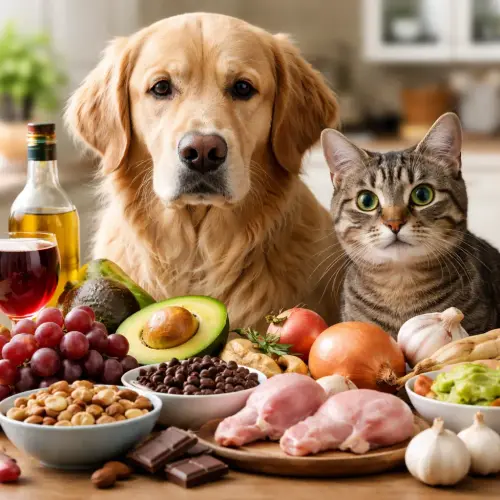
Every year, thousands of pets are rushed to emergency clinics after ingesting common kitchen ingredients. The ASPCA Animal Poison Control Center handles over 200,000 cases annually, many involving foods that seem harmless to people. Dogs and cats metabolize foods differently than humans, so a snack safe for you can cause kidney failure, neurological damage, or death in your pet. For a related guide, see 13 Dangerous Human Foods Pets Should Never Eat – Expert Warnings.
Being informed is the first line of defense. Below, we break down 14 dangerous items, explaining what makes them toxic, what symptoms to watch for, and what you can offer instead.
14 Common Foods That Are Toxic to Dogs and Cats
Each entry includes the toxic compound, risk level (mild, moderate, severe), symptoms, and safe alternatives. Always consult your vet if you suspect ingestion.
1. Chocolate
Toxic compound: Theobromine and caffeine. Risk level: Severe. Symptoms: Vomiting, diarrhea, rapid heart rate, seizures, death. Safe alternative: Carob-based treats made for pets.
2. Grapes and Raisins
Toxic compound: Unknown (possibly tartaric acid). Risk level: Severe. Symptoms: Vomiting, lethargy, kidney failure (even small amounts). Safe alternative: Small pieces of apple (no seeds) or blueberries.
3. Onions and Garlic
Toxic compound: N-propyl disulfide. Risk level: Moderate to severe. Symptoms: Hemolytic anemia, weakness, pale gums, collapse. Safe alternative: Plain cooked pumpkin or sweet potato.
4. Xylitol (Artificial Sweetener)
Toxic compound: Xylitol. Risk level: Severe. Symptoms: Rapid insulin release, hypoglycemia, seizures, liver failure. Found in sugar-free gum, candy, and baked goods. Safe alternative: Honey (in tiny amounts, only for dogs).
5. Macadamia Nuts
Toxic compound: Unknown. Risk level: Moderate. Symptoms: Weakness, vomiting, tremors, hyperthermia (in dogs). Safe alternative: Unsalted peanuts (shelled) in moderation.
6. Alcohol
Toxic compound: Ethanol. Risk level: Severe. Symptoms: Vomiting, disorientation, respiratory failure, coma. Safe alternative: Fresh water or unsalted bone broth (no onions).
7. Caffeine
Toxic compound: Caffeine. Risk level: Severe. Symptoms: Restlessness, rapid breathing, heart palpitations, seizures. Found in coffee, tea, energy drinks. Safe alternative: Herbal tea (caffeine-free) is not recommended—stick to water.
8. Raw Dough (Yeast)
Toxic compound: Yeast expands in the stomach, producing ethanol. Risk level: Severe. Symptoms: Bloating, pain, intoxication, breathing difficulty. Safe alternative: Fully cooked plain bread crust (no added salt or seasonings).
9. Avocado
Toxic compound: Persin (especially in leaves, skin, and pit). Risk level: Mild to moderate. Symptoms: Vomiting, diarrhea, breathing difficulty (birds and rodents are more sensitive). Safe alternative: Cooked sweet potato or banana (no peel).
10. Cooked Bones
Toxic compound: Splintering hazard; bones can cause obstructions or perforations. Risk level: Moderate to severe. Symptoms: Choking, vomiting, constipation, abdominal pain. Safe alternative: Large raw bones supervised, or synthetic chews made for pets.
11. Salt (High Amounts)
Toxic compound: Sodium ion. Risk level: Moderate. Symptoms: Thirst, urination, vomiting, seizures, coma. Safe alternative: Unsalted pretzels or plain rice cakes (in tiny pieces).
12. Milk and Dairy (for some pets)
Toxic compound: Lactose. Risk level: Mild. Symptoms: Diarrhea, gas, vomiting (especially in adult cats and dogs). Safe alternative: Lactose-free milk or plain yogurt (small amounts).
13. Nutmeg
Toxic compound: Myristicin. Risk level: Moderate. Symptoms: Hallucinations, disorientation, high blood pressure, seizures. Safe alternative: Cinnamon (tiny amounts, but keep both away).
14. Raw Meat, Eggs, and Fish
Toxic compound: Salmonella, E. coli, and thiaminase (in raw fish). Risk level: Moderate to severe. Symptoms: Vomiting, diarrhea, pancreatitis, neurological issues. Safe alternative: Fully cooked lean meats (no seasoning).
How to Recognize Pet Poisoning From human foods toxic to dogs and cats
Symptoms vary by food and quantity, but common signs include vomiting, diarrhea, drooling, lethargy, tremors, and pale gums. Time is critical: if you notice any of these after your pet eats something questionable, call your veterinarian or the ASPCA Poison Control (1-888-426-4435) immediately.
Do not induce vomiting unless a professional instructs you. Some substances (like sharp objects or petroleum-based items) cause more damage coming up.
Emergency Steps If Your Pet Eats a Toxic Food
Act quickly and calmly using these steps:
- Remove your pet from the area to prevent further ingestion.
- Identify the food and approximate amount eaten.
- Call your veterinarian or a pet poison helpline. Have the packaging handy if possible.
- Follow professional advice—do not give home remedies like milk or hydrogen peroxide unless directed.
A quick response can save your pet’s life. Keep the number for your nearest emergency vet visible.
Prevention Tips for Pet Owners
Store all foods out of reach, especially during holiday gatherings when treats are everywhere. Use child-proof locks for lower cabinets. Teach family members and guests which foods are dangerous. Consider pet-safe bitter spray on wires or furniture to discourage chewing.
If you want to share a treat, use plain cooked meats, carrots, green beans, or commercial pet treats labeled as safe.
Useful Resources
- ASPCA Animal Poison Control: A comprehensive list of toxic and non-toxic plants and foods for pets. Visit www.aspca.org/pet-care/animal-poison-control for detailed guidance.
- Pet Poison Helpline: A 24/7 resource for pet owners. Call (855) 764-7661 or visit www.petpoisonhelpline.com for immediate support.
Final Checklist: Safe Treats vs. human foods toxic to dogs and cats
Keep this quick reference handy in your kitchen:
| Safe Treats | Dangerous Foods |
|---|---|
| Carrot sticks | Chocolate |
| Apple slices (no seeds) | Grapes and raisins |
| Plain cooked chicken | Onions and garlic |
| Blueberries | Xylitol products |
| Sweet potato (cooked) | Macadamia nuts |
| Green beans (plain) | Alcohol and caffeine |
Knowing which human foods toxic to dogs and cats can save your pet’s life. When in doubt, leave it out. Share this guide with friends and family to keep their pets safe too. For a related guide, see 12 Dangerous Foods Dogs Should Never Eat: Essential Safety.
Frequently Asked Questions About human foods toxic to dogs and cats
Can dogs eat cheese?
Small amounts of plain cheese (like cheddar) are usually safe for dogs, but many are lactose intolerant and may experience gas or diarrhea. Avoid blue cheeses which contain moldy compounds that can be toxic.
Is peanut butter safe for dogs?
Unsalted, xylitol-free peanut butter is safe for dogs in moderation. Always check the label—xylitol is extremely toxic and found in some reduced-sugar brands.
Can cats eat bananas?
Yes, small pieces of banana are safe for cats, but they offer little nutritional value and should be an occasional treat only. Too much can cause digestive upset.
What should I do if my dog eats chocolate?
Call your vet or pet poison control immediately. The amount and type of chocolate matter—dark and baking chocolate are most dangerous. Be ready to provide your pet’s weight and the chocolate’s cocoa content.
Are apples safe for dogs?
Yes, apples (without seeds or core) are a healthy, low-calorie snack for dogs. The seeds contain cyanide and should be removed.
Can a small amount of onion harm a cat?
Yes, even a small amount (as little as 5 grams per kilogram of body weight) can cause hemolytic anemia in cats. Onion powder is also dangerous. Seek veterinary care if ingestion occurs.
Is it safe to give my dog raw eggs?
Raw eggs carry risk of Salmonella and can cause biotin deficiency over time. Cooked eggs are safe and nutritious for dogs.
What are the symptoms of xylitol poisoning in dogs?
Symptoms include vomiting, weakness, difficulty walking, seizures, and coma. Xylitol can cause a rapid drop in blood sugar within 30 minutes of ingestion.
Can dogs eat popcorn?
Plain, air-popped popcorn (no butter, salt, or seasoning) is safe in small amounts. Kernels can pose a choking hazard, and flavored popcorn often contains toxic ingredients like onion or garlic powder.
Are mushrooms dangerous for dogs?
Some wild mushrooms are highly toxic and can cause liver failure. Store-bought mushrooms (like white button) are safe in small amounts, but it’s best to avoid all mushrooms to prevent accidental poisoning.
Can cats drink milk?
Contrary to popular belief, most adult cats are lactose intolerant and will experience diarrhea and stomach upset. Offer fresh water or specially formulated cat milk instead.
Is garlic toxic to cats?
Yes, garlic is more toxic to cats than to dogs. It can cause oxidative damage to red blood cells, leading to anemia. Avoid all forms of garlic, including powder.
What should I do if my cat eats something toxic?
Contact your veterinarian or pet poison control immediately. Do not try to make your cat vomit unless told to. Bring any packaging or a sample of the food with you.
Are grapes toxic to cats too?
Yes, grapes and raisins can cause kidney failure in cats, just as they do in dogs. Keep them out of reach of all pets.
Can dogs have honey?
Honey is safe for dogs in tiny amounts, but it contains sugar and should not be given to diabetic dogs. Avoid raw honey due to potential botulism spores.
Is avocado toxic to dogs?
The flesh of avocado contains persin, which can cause mild stomach upset in dogs. The pit poses a choking hazard and can cause obstruction. It’s safer to avoid avocado altogether.
What human foods are safe for cats?
Small amounts of cooked meat (chicken, turkey), fish (canned tuna in water), and vegetables like steamed carrots are safe. Always remove bones and skin.
How quickly does chocolate poisoning occur in dogs?
Symptoms can appear within 2-4 hours and include restlessness, vomiting, diarrhea, and rapid breathing. Severe cases may develop seizures or coma within 12 hours.
Can dogs eat rice?
Yes, plain cooked rice is a gentle food for dogs with upset stomachs. It should be used as a short-term addition to meals, not a staple.
Is it safe to give my pet raw fish?
Raw fish can contain thiaminase, which breaks down vitamin B1 and may cause neurological problems. Cook fish thoroughly without seasoning before sharing.