



best feeding practices Key Takeaways
How we feed ourselves and our children creates the foundation for metabolism, immune function, and even mood regulation.
- The best feeding practices combine proper timing, portion control, and a balanced variety of foods to support long-term health.
- Responsive feeding—watching and respecting hunger cues—is a cornerstone of healthy feeding habits that prevents overeating and fosters a positive relationship with food.
- Consistent feeding guidelines around meal structure and environment can reduce picky eating and improve nutrient intake for children and adults alike.
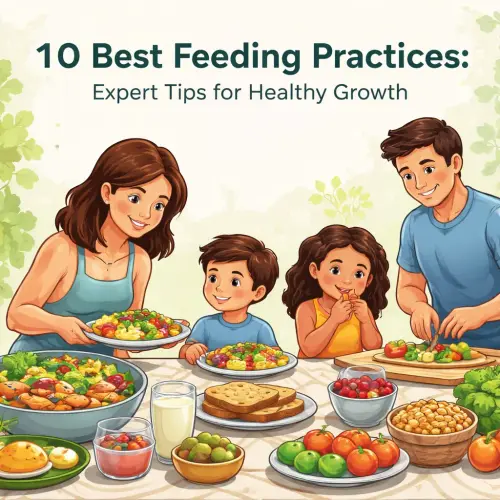
Why Best Feeding Practices Matter for Lifelong Health
How we feed ourselves and our children creates the foundation for metabolism, immune function, and even mood regulation. Many families struggle with mealtime battles, portion distortions, or irregular eating schedules that undermine nutrition. By adopting proven best feeding practices, you can turn meals into a source of energy and enjoyment rather than conflict or guilt. For a related guide, see 10 Proven Ways to Strengthen Your Bond With Your Dog.
Research consistently shows that structured, responsive feeding approaches lead to better dietary variety, healthier weight trajectories, and improved self-regulation. The following 10 feeding tips draw from pediatric nutrition guidelines, behavioral science, and real-world experience to give you actionable strategies you can implement today.
How These Feeding Tips Were Selected
The practices listed below were chosen based on their alignment with current feeding guidelines from organizations such as the American Academy of Pediatrics and the World Health Organization. Each tip addresses a common feeding challenge, offers a clear rationale, and includes a practical example you can adapt to your own routine.
10 Best Feeding Practices for Healthy Growth
1. Follow a Consistent Meal and Snack Schedule
Timing matters more than most people realize. Consistent meal times help regulate appetite hormones and blood sugar levels. Aim for three meals and one to two snacks per day, spaced about three to four hours apart. This prevents grazing and ensures true hunger is present at meals.
2. Practice Portion Control with Visual Cues
Over-serving is one of the most common feeding habits that leads to weight gain. Use visual references: a serving of protein should be the size of your palm, vegetables two cupped hands, and carbohydrates a closed fist. For children, start with one tablespoon of each food per year of age.
3. Offer a Variety of Foods from All Food Groups
Nutritional adequacy depends on diversity. Include vegetables, fruits, whole grains, lean proteins, and healthy fats at every meal. Rotate the specific items you buy to avoid nutrient gaps and reduce the risk of developing picky preferences.
4. Use Responsive Feeding Techniques
Responsive feeding means paying attention to hunger and fullness cues rather than forcing a clean plate. For infants, this includes watching for signs like turning away or slowing sucking. For older children and adults, it means pausing mid-meal to check in with your body. This is one of the most important feeding guidelines for preventing obesity.
5. Create a Positive Mealtime Environment
Distractions like screens, arguments, or rushed schedules can disrupt digestion and reduce satisfaction. Eat at a table, face each other, and keep conversation light. A calm environment supports mindful eating and helps everyone recognize when they are full.
6. Limit Added Sugars and Highly Processed Foods
The best feeding practices emphasize whole, minimally processed foods. Sugar-sweetened beverages and ultra-processed snacks spike blood glucose and crowd out nutrient-dense options. Set a household rule: no sugary drinks with meals, and reserve treats for special occasions rather than daily rewards.
7. Stay Hydrated, But Not With Meals
Water is essential, but drinking large amounts during a meal can dilute stomach acid and interfere with digestion. Encourage drinking water between meals, and offer milk or water with meals only in small amounts—about half a cup for young children.
8. Involve Children in Meal Planning and Preparation
When kids help choose and prepare food, they are more willing to try new things. Let them pick a new vegetable at the store, wash produce, or stir ingredients. This builds autonomy and curiosity, both of which improve long-term feeding habits.
9. Be Patient with Picky Eating Phases
Picky eating is a normal developmental stage for toddlers and preschoolers. The best feeding practices advise offering a new food multiple times (10-15 exposures) without pressure. Pair a familiar accepted food with a new one to reduce anxiety. Avoid bribes or punishments, which can create negative associations.
10. Adjust Feeding Practices as Children Grow
Feeding needs change with age. Infants transition from milk to purees to finger foods. Adolescents require more iron, calcium, and protein. Regularly reassess portion sizes, meal frequency, and food variety to match your child’s growth stage. Staying flexible is key to long-term success.
Comparison of Common Feeding Guidelines Across Life Stages
| Life Stage | Meal Frequency | Key Nutrient Focus | Common Challenges |
|---|---|---|---|
| Infancy (0-12 months) | On demand (8-12 times/day) | Iron, zinc, DHA | Transition to solids, gagging |
| Toddler (1-3 years) | 3 meals + 2 snacks | Calcium, vitamin D | Picky eating, portion control |
| Preschool (3-5 years) | 3 meals + 1-2 snacks | Fiber, protein | Resisting new foods, sugar cravings |
| School-age (6-12 years) | 3 meals + 1-2 snacks | All food groups | Peer influence, soda consumption |
| Adolescence (13-18) | 3 meals + 1-2 snacks | Iron, calcium, protein | Skipping breakfast, fast food |
| Adulthood | 3 meals + optional snack | Fiber, healthy fats, B vitamins | Portion distortion, stress eating |
Common Mistakes to Avoid When Implementing Feeding Practices
Even well-intentioned parents and caregivers can fall into patterns that undermine good nutrition. Here are three pitfalls to sidestep as you adopt the 10 feeding tips above.
Using Food as a Reward or Pacifier
Offering sweets for good behavior teaches emotional eating. Instead, reward with praise, a sticker, or extra playtime.
Forcing a Clean Plate
This overrides a child’s natural ability to self-regulate. Trust their body cues. They will eat as much as they need.
Comparing Your Child’s Eating to Others’
Every child’s growth pattern and appetite are unique. Focus on offering balanced options consistently rather than comparing meal-to-meal intake.
Feeding Habits Checklist for Daily Success
Use this quick checklist to keep your best feeding practices on track each day:
- Plan meals around all five food groups at least twice a day.
- Sit at a table without screens for meals.
- Offer water between meals, not with them.
- Serve portions appropriate to the person’s age and activity level.
- Include the whole family in at least one meal per day.
- Introduce one new food per week to expand variety.
- Praise effort and curiosity about food, not quantity eaten.
Useful Resources
For more detailed feeding guidelines and research, refer to these expert sources:
- American Academy of Pediatrics – Healthy Active Living
- World Health Organization – Infant and Young Child Feeding
Adopting these best feeding practices creates a framework for nourishing meals that support physical and emotional growth. Start with one or two changes that feel manageable, and build from there. Healthy feeding habits are a journey, not a destination—and every small step toward more mindful, responsive feeding pays off in the long run. For a related guide, see 10 Essential Reasons Pets Need Annual Checkups for Long Life.
Frequently Asked Questions About best feeding practices
What are best feeding practices for newborns?
For newborns, feed on demand—typically every 2-3 hours for breast milk or formula. Watch for early hunger cues like rooting or sucking on hands. Avoid scheduled feeding until weight gain is established around 4-6 weeks.
How do I introduce solid foods using feeding guidelines ?
Start around 6 months with single-ingredient purees (e.g., sweet potato, banana). Wait 3-5 days between new foods to watch for allergies. Gradually move to mashed, then soft finger foods by 8-10 months.
What feeding habits help prevent picky eating?
Expose children to a variety of flavors early, eat together as a family, and avoid pressuring them to finish foods they dislike. Repeated, low-stress exposure to new foods increases acceptance over time.
How much should a toddler eat according to feeding guidelines ?
Toddlers need about 1,000-1,400 calories per day, broken into three small meals and two snacks. A portion is roughly one tablespoon per year of age for each food group.
Are there best feeding practices for children with allergies?
Yes. Work with an allergist to identify safe foods. Read labels carefully, have an emergency plan (epinephrine), and introduce allergens only under medical guidance. Avoid cross-contamination in shared kitchens.
What is responsive feeding in feeding practices ?
Responsive feeding means watching for hunger and fullness cues from your child and responding appropriately. It respects the child’s appetite rather than forcing a predetermined amount.
How does portion control fit into best feeding practices ?
Portion control helps match energy intake to energy needs. Use visual guides (hand sizes) and serve food on smaller plates to prevent overeating, even with healthy options.
What feeding habits support brain development in infants?
Include foods rich in DHA (fish, fortified formula), iron (meat, lentils), and zinc (beans, meat). Breastfeeding or iron-fortified formula is foundational in the first year.
Can I use feeding guidelines for adults too?
Absolutely. Many principles—regular meals, portion control, variety, and mindful eating—apply to all ages. Adults benefit from the same structure and nutrient balance recommended for children.
What should I do if my child refuses vegetables despite good feeding practices ?
Keep offering them in different forms (roasted, raw, blended into sauces). Pair with a favorite dip like hummus or yogurt. Role modeling—eating vegetables yourself—is powerful.
How long does it take to see results from new feeding habits ?
Behavioral changes often take 2-3 weeks to feel routine. Nutritional benefits like improved energy or digestion may be noticeable within a few days to a week.
Are best feeding practices different for breastfed vs. formula-fed babies?
Most guidelines are the same—feed on demand and watch cues. Breastfed babies may feed more often (8-12 times/day), while formula-fed babies may go longer between feedings.
What feeding guidelines apply to preterm infants?
Preterm infants often need fortified breast milk or preterm formula. Feed according to corrected age and follow a neonatologist’s advice on volume and timing until they catch up.
How do I handle a child who only eats white foods?
Gradually mix small amounts of colored foods (like mashed peas folded into mashed potatoes). Continue offering a rainbow of foods without pressure. This expands acceptance over time.
What are the best feeding practices for school lunchboxes?
Include a protein, whole grain, fruit, vegetable, and a small treat. Use insulated containers to keep food at safe temperatures. Involve your child in packing to increase buy-in.
Should I stop feeding as soon as the child turns away?
Yes. Turning away, clamping the mouth shut, or pushing food away are clear signs of fullness. Continuing to offer forces eating beyond appetite, which can lead to weight issues.
How can I improve my own feeding habits as an adult?
Eat without screens, chew slowly, and stop when you feel comfortably full (not stuffed). Plan meals ahead to avoid impulsive choices. Keep a food diary for a week to identify patterns.
What are the signs of a healthy feeding relationship?
The child trusts that they will be fed enough, eats with enthusiasm, listens to their body cues, and tries new foods without fear. Mealtimes feel calm and cooperative, not tense.
Do feeding guidelines change during growth spurts?
Yes. During growth spurts (common around 2, 3, and 6 weeks, then 3 and 6 months in infancy), babies may cluster-feed or eat more frequently. Accommodate increased hunger without changing food types.
What is the best way to transition from bottle to cup?
Start offering a sippy or open cup with water at 6 months. Gradually replace bottle feeds with cup feeds by 12-14 months. Drop the bottle entirely by 15-18 months to prevent tooth decay and dependency.