



strengthen your bond with your dog Key Takeaways
Positive reinforcement — rewarding desired behaviors with treats, praise, or play — is one of the most effective ways to bond with your dog .
- Learn how consistent routines and positive reinforcement can strengthen your bond with your dog.
- Discover the power of mutual play and mental stimulation for a happier, more connected pup.
- Practical tips for everyday interactions that deepen trust and understanding.
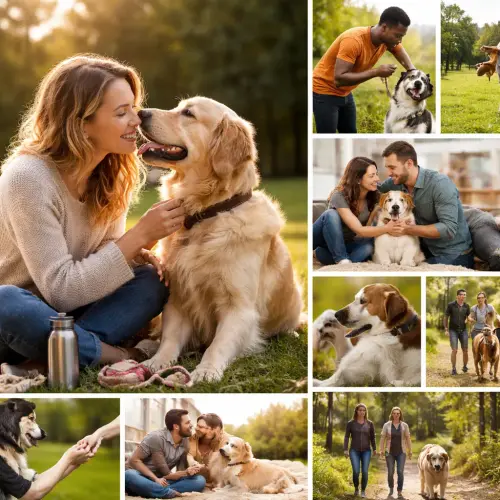
Why Intentionally Working to Strengthen Your Bond With Your Dog Matters
Your relationship with your dog is one of the most rewarding you’ll ever have. But like any meaningful connection, it requires effort and intention. When you actively work to strengthen your bond with your dog, you’re not just teaching them a few tricks — you’re building a language of trust and mutual respect. This foundation makes training easier, reduces behavioral issues, and enhances both of your quality of life.
A strong bond means your dog looks to you for guidance, feels safe in your presence, and genuinely enjoys spending time with you. The following ten strategies are drawn from canine behavior science and real-world experience, offering you practical ways to bond with your dog that fit seamlessly into your routine. For a related guide, see 8 Daily Habits That Keep Your Pet Healthy: Expert Tips.
1. Master the Art of Positive Reinforcement Training
Why It Builds Trust
Positive reinforcement — rewarding desired behaviors with treats, praise, or play — is one of the most effective ways to bond with your dog. It creates a positive association with you and makes learning fun. Dogs trained with force or punishment often become anxious or shut down, which erodes trust. In contrast, reward-based training builds your dog’s confidence and eagerness to engage with you. For a related guide, see 10 Proven Ways to Improve Your Pet’s Quality of Life.
Practical Advice
Start with short, five-minute sessions focused on one cue, such as “sit” or “touch.” Use high-value treats your dog loves — small pieces of cheese or chicken work well. Mark the exact moment your dog performs the behavior with a clicker or a clear word like “yes,” then reward. Always end on a success, even if it’s just a simple behavior they already know. Consistency is key: practice daily, and soon your dog will associate training time with fun and connection.
2. Schedule Daily One-on-One Playtime
Why Play Deepens Connection
Play is a universal language of joy and engagement between humans and dogs. When you engage in interactive play — whether tug-of-war, fetch, or hide-and-seek — you enter your dog’s world. This shared activity releases oxytocin in both of you, the same hormone that bonds mothers and babies. It’s a powerful way to strengthen your bond with your dog on a biological level.
Practical Advice
Set aside at least 10 to 15 minutes of focused playtime each day. Let your dog choose the game sometimes — if they bring you a toy, that’s an invitation. Use toys that encourage interaction, like a flirt pole or a rope toy. During play, let your dog win occasionally; it boosts their confidence and makes the game more rewarding. Avoid roughhousing that might encourage mouthing or over-arousal. Keep sessions upbeat and end on a positive note. For a related guide, see 8 Proven Ways to Keep Your Indoor Cat Active and Happy.
3. Engage in Cooperative Care Routines
Cooperative care means involving your dog in their own grooming, nail trimming, and vet handling. This builds immense trust because your dog learns they have a choice. Instead of holding them down for a nail trim, you teach them to offer a paw and accept the clip calmly. When you strengthen your bond with your dog through these respectful practices, they feel safer and more secure in your hands. Start with simple touches and always pair with treats. Over time, your dog will willingly participate in care routines, knowing they can trust you to respect their limits.
4. Learn Your Dog’s Unique Communication Signals
Dogs communicate primarily through body language — tail position, ear carriage, eye contact, and subtle shifts in posture. Learning to read these signals is one of the most valuable ways to bond with your dog. A yawn or lip lick might indicate stress, not tiredness. A soft, blinking eye is a sign of relaxation and trust. When you respond appropriately — by giving space when they’re uncomfortable or offering a calm presence when they’re unsure — your dog learns that you understand them. This two-way communication deepens your connection far beyond verbal commands.
5. Provide Mental Enrichment Every Day
Why Mental Stimulation Creates Trust
A tired dog is often a happy dog, but mental fatigue is even more bonding than physical exhaustion. Working together to solve a puzzle or find a hidden treat reinforces your role as a source of fun and problem-solving. This cooperative problem-solving builds a team dynamic that helps you strengthen your bond with your dog in a unique way.
Practical Advice
Use snuffle mats, puzzle toys, or DIY enrichment like hiding treats in a cardboard box. Teach your dog to “find it” by hiding a treat in the next room and encouraging them to search. Rotate toys to keep novelty alive. Even 10 minutes of mental work can be as tiring as a long walk. You can also try scent work — many dogs thrive on using their natural sniffing abilities, and it’s a fantastic bonding activity.
6. Respect Your Dog’s Preferences and Boundaries
Just like people, dogs have individual personalities and comfort zones. Some love belly rubs; others prefer ear scratches. Some enjoy crowded dog parks; others find them overwhelming. Respecting your dog’s unique preferences is a profound way to strengthen your bond with your dog. Forcing interaction — such as hugging a dog who dislikes it or making them greet every stranger — can damage trust. Pay attention to what your dog seeks out and what they avoid. When you honor their choices, they learn that you are a safe and trustworthy companion. This mutual respect is the cornerstone of a deep, lasting bond.
7. Go on Scent Walks Instead of Standard Walks
For dogs, the world is primarily experienced through scent. Standard walks often focus on moving from point A to point B, but a “sniffari” walk allows your dog to explore at their own pace, stopping to sniff interesting smells. This is mentally fulfilling and puts your dog in a state of calm curiosity. When you allow these breaks, you’re signaling that you value their experience. This small shift is one of the simplest yet most effective ways to bond with your dog. A 20-minute sniff walk can be more enriching than an hour of forced marching. Let your dog lead sometimes — within safety limits — and share the joy of discovery together.
8. Establish Predictable Routines
Dogs thrive on predictability. Knowing when meals, walks, and bedtime happen creates a sense of security. When you provide a consistent routine, your dog can relax, knowing what to expect from you. This reliability is a foundational element of trust and helps you strengthen your bond with your dog naturally. Try to keep feeding and walking schedules consistent, even on weekends. If you must vary the routine, give your dog a heads-up through small cues, like putting on your shoes or picking up the leash. Predictability doesn’t mean rigidity — it means offering a dependable structure within which your dog feels safe.
9. Use Calm, Gentle Touch and Massage
Physical touch releases oxytocin in both species, but it has to be the right kind of touch. Many dogs benefit from gentle massage, especially around the shoulders, chest, and base of the tail. Avoid sudden pats on the head, which many dogs find intimidating. Instead, let your dog approach you for pets. Learn a simple TTouch technique or just run your hands along your dog’s body in slow, soothing strokes. This mindful touch not only relaxes your dog but also helps you detect any lumps, tension, or discomfort. It’s a quiet but powerful method to strengthen your bond with your dog, especially during quiet evenings or after exercise.
10. Practice Patience and Avoid Frustration
Every dog learns at their own pace. Some master a cue in one session; others need weeks. When you approach training and daily interactions with patience, your dog senses your calm energy. Frustration or loud scolding can shut down communication and create anxiety. Instead, take a breath and reframe the situation: if your dog isn’t understanding, it’s not that they’re being stubborn — they likely need a clearer signal or more practice. This mindset shift is crucial if you want to truly strengthen your bond with your dog. Celebrate small victories, and remember that the relationship itself is the goal, not perfection.
Useful Resources
For further reading on canine communication and positive reinforcement, explore the American Kennel Club’s guide on reading dog body language: AKC article on dog body language.
The ASPCA also offers practical tips on reward-based training: ASPCA training fundamentals for dogs.
Frequently Asked Questions About strengthen your bond with your dog
How long does it take to strengthen your bond with your dog?
Bonding is an ongoing process, but many owners notice a deeper connection within a few weeks of consistent, intentional effort. The key is quality over quantity — even 10 focused minutes daily can make a significant difference.
Can you strengthen your bond with an older dog?
Absolutely. Older dogs can form new attachment patterns. Patience, gentle touch, and respecting their pace are especially important with seniors. New routines and enrichment adapted to their mobility can also deepen your bond.
What if my dog is fearful or anxious?
Fearful dogs require extra patience. Start by creating a safe, predictable environment. Use high-value treats to create positive associations. Avoid forcing interactions. Consider working with a certified behavior consultant who uses force-free methods.
Does training strengthen your bond with your dog?
Yes, training based on positive reinforcement builds trust and communication. It shows your dog that you are a reliable source of rewards and guidance, which deepens your connection.
How do I bond with a rescue dog?
Give the dog space to decompress for at least a few days before initiating training. Use gentle routines, hand-feeding, and quiet presence. Let the dog approach you. Building trust with a rescue takes time but is incredibly rewarding.
Is it possible to bond too much with your dog?
No, but it’s important to foster independence. A healthy bond means your dog can be calm alone and doesn’t experience separation anxiety. Encourage alone time with enrichment toys to balance closeness with confidence.
What are the best games to bond with your dog?
Interactive games like tug with rules, hide-and-seek, and fetch with a release cue are excellent. Nose work games, like hiding treats around the house, also engage your dog’s natural abilities and reinforce teamwork.
Does sleeping with your dog strengthen your bond?
For many dogs and owners, co-sleeping can enhance closeness and comfort. However, it’s not necessary for a strong bond. If it works for both of you, it can be a positive experience. Ensure your dog has a safe space to sleep if they prefer.
Can punishment damage the bond with my dog?
Yes. Punishment-based methods can create fear, anxiety, and erode trust. Dogs may learn to avoid you rather than seek connection. Positive reinforcement is always the more effective and humane approach for building a strong bond.
How do I bond with a dog that isn’t food motivated?
Find what motivates your dog — it could be praise, a favorite toy, or the opportunity to sniff. Use that as a reward. Some dogs respond better to play or affection than treats. Experiment to discover your dog’s unique currency.
What role does eye contact play in bonding?
Soft, relaxed eye contact releases oxytocin in both you and your dog, strengthening the emotional bond. Avoid hard stares, which can be perceived as threatening. A gentle gaze during calm moments is a sign of trust and affection.
Can I strengthen my bond with my dog if I work full-time?
Yes. Focus on quality time when you are home: morning enrichment, evening play, and training sessions. Consider a dog walker or daycare for mental stimulation during the day. Even short bursts of focused attention matter.
Does talking to my dog help our bond?
Yes. Dogs are sensitive to the tone of your voice. Speaking to them in a calm, warm tone during interactions can be soothing and build positive associations. They may learn many words, but the emotional tone matters most.
How do I bond with a reactive dog?
Work below your dog’s threshold. Use management to avoid triggers, and reinforce calm behavior. Build a pattern of predictability and safety. A force-free professional can help guide you. Bonding with a reactive dog requires patience but is deeply rewarding.
Is it okay to let my dog sleep in my bed to bond?
It’s a personal choice. If both you and your dog sleep well, it can be a lovely bonding experience. If it disrupts sleep or creates resource guarding, it may not be ideal. There are many other ways to bond that don’t involve co-sleeping.
Do dogs bond more with one person in the household?
Many dogs do form a particularly strong bond with one person, often the one who provides most of the care and engaging interactions. However, they can bond deeply with multiple family members when each invests quality time.
Can I strengthen my bond with my dog through massage?
Yes. Gentle massage helps lower cortisol and releases oxytocin in both of you. It’s a calming, restorative practice that signals safety and care. Start with slow strokes on the shoulders and chest, and watch for your dog’s relaxation cues.
What is the fastest way to improve my bond with my dog?
Hand-feeding your dog’s meals for a few days can accelerate bonding. It teaches your dog that good things come from your hands and establishes you as a source of nourishment and trust combined.
Can bonding help with behavior problems?
Often, yes. Many behavioral issues stem from anxiety, lack of trust, or unclear communication. When you strengthen your bond with your dog, they feel more secure and are more likely to listen and cooperate. It’s a proactive approach to behavior.
Do I need to use treats forever to maintain the bond?
No. While treats are great for initial training, the bond becomes reinforced by the relationship itself over time. Eventually, praise, play, and your attention become powerful rewards. The goal is a dog who chooses to engage with you because they enjoy the interaction, not just the treat.