



health records for pet owners Key Takeaways
Keeping organized health records for pet owners is one of the most responsible steps you can take for your companion animal.
- health records for pet owners help you track vaccinations, allergies, and chronic conditions across your pet’s lifetime.
- Storing digital and physical copies of your records prevents panic during urgent situations and saves time at the veterinary clinic.
- Regularly updating your pet’s health files adds an extra layer of safety when traveling or changing veterinarians.
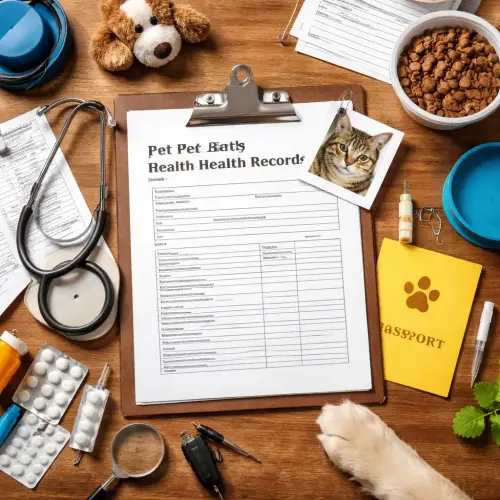
Why health records for pet owners matter more than you think
Every pet parent aims to provide the best care possible. Yet many of us miss a crucial piece of the puzzle: what happens when you arrive at an emergency clinic at 2 AM or need to board your dog on short notice? Without organized documentation, you waste critical time and risk miscommunication about your pet’s medical history.
Whether you have a senior cat with kidney disease or a new puppy needing its first shots, clear records ensure your vet makes informed decisions. This guide walks you through seven specific documents that form a complete picture of your pet’s well-being.
1. Vaccination certificates and history
Your pet’s vaccination record is arguably the most frequently requested document. Groomers, boarding facilities, dog parks, and airlines all demand proof of up-to-date shots. A complete vaccination history includes the date administered, vaccine type, lot number, and veterinarian’s signature.
What to track beyond rabies
Many pet owners keep rabies certificates but forget to record the distemper, parvovirus, or Bordetella vaccines. For cats, FVRCP and FeLV records are equally important. Create a simple table with columns for vaccine name, date, booster due date, and vet notes.
Storage and frequency tips
Store a digital copy in a cloud folder and keep a printed version in a waterproof folder in your car’s glove compartment. Update this pet health record every time your pet receives a booster, which is typically annual or every three years depending on the vaccine.
2. Microchip registration and contact information
A microchip is worthless if the database has outdated contact details. This document should include the microchip number, manufacturer, date implanted, and the registry’s website and phone number. Attach a copy of your registration confirmation to your other important pet documents.
Common mistake pet owners make
Many assume the vet automatically registers the chip, but often the owner must complete the process online. Verify your registration within 48 hours of implantation and update your address whenever you move. This single step could reunite you with your pet within hours instead of days.
3. Veterinary visit summaries and progress notes
Each vet visit produces a written summary detailing the examination findings, diagnosis, prescribed medications, and follow-up instructions. These notes add context to your pet’s medical journey. If you see multiple veterinarians, having all summaries in one place prevents redundant tests and conflicting advice.
When to request copies
Ask your vet for a summary after every appointment, even if you think nothing significant happened. Over time, these records reveal patterns—like seasonal allergies or recurring ear infections—that help your vet adjust treatment plans. Keep digital scans in a folder labeled by year.
4. Laboratory and diagnostic test results
Blood work, urinalysis, X-rays, and ultrasound reports form the backbone of preventive care. These results establish baseline values for your pet, making it easier for a new vet to spot abnormalities. A Complete Blood Count (CBC) and chemistry panel from a healthy pet visiting for a routine checkup becomes a reference point for years.
Organizing test results efficiently
Label each file with the date and test type. If your pet has a chronic condition like diabetes or kidney disease, keep a separate folder for each body system. When you visit a specialist, email the relevant records ahead of time so they can review them before your appointment.
5. Medication and supplement log
Your pet’s medication list should include the drug name, dosage, frequency, prescribing veterinarian, and start and end dates. Include any supplements such as joint chews, probiotics, or omega-3 oils. Over-the-counter products can interact with prescription drugs, so a complete log helps your vet avoid dangerous combinations.
How to build a reliable log
Use a simple spreadsheet or a dedicated pet health app. Update it every time you start or stop a medication, and bring a printed copy to every appointment. This is especially critical for pets taking long-term medications like thyroid hormones or anti-seizure drugs.
6. Flea, tick, and heartworm prevention records
Preventive care records are just as essential as treatment records. Keep a document showing which products you use, the application schedule, and which months of the year you target. This helps your vet confirm your pet remains protected against parasites common to your region. For a related guide, see 13 Essential Steps to Take Before Rushing Your Pet to an Emergency Vet.
Seasonal variations matter
If you travel with your pet, note the geographic regions you visit. Some areas have year-round heartworm risk, while others only require prevention during warmer months. Share this document with your vet annually to ensure your prevention plan matches your lifestyle.
7. Emergency contact and health summary sheet
This single-page document can save your pet’s life in a crisis. It should list your pet’s name, age, species, breed, weight, known allergies, chronic conditions, current medications, and your primary vet’s phone number and address. Also include emergency contacts for a second vet or a 24-hour animal hospital near your home.
Print multiple copies and place them strategically
Tape one inside your front door, keep one in your car, and store a digital version on your phone. Update this summary sheet every time your pet’s health status changes, and ensure any pet sitter or boarding facility has access to it.
Checklist recap: what every pet owner should have on hand
| Document | Storage method | Update frequency |
|---|---|---|
| Vaccination certificates | Cloud + waterproof binder | After each booster |
| Microchip registration | Online registry + printed copy | When you change address or phone |
| Vet visit summaries | Digital folder per year | After each appointment |
| Lab and diagnostic results | Digital folder by body system | After each test |
| Medication and supplement log | Spreadsheet or app | When adding or stopping a drug |
| Prevention schedule | Calendar reminder + printed log | Annually or when changing product |
| Emergency health summary | Phone + car + home door | When health status changes |
How to store your health records for pet owners safely
A single approach rarely works for all. The best strategy combines digital and physical storage. Use a free cloud service like Google Drive or Dropbox to upload scanned PDFs. Create folders by year and by document type. Physical copies should live in a waterproof, fire-resistant envelope that you can grab in an evacuation.
Don’t forget preventive backup
Share your digital folder with a trusted family member or friend. If your phone breaks or your house floods, you still have access to every record. This level of preparation sets responsible pet owners apart and aligns perfectly with thorough veterinary record keeping practices.
When to consult your veterinarian about missing records
If you discover that your pet’s vaccination history has gaps or you cannot find lab results from the past three years, schedule an appointment with your vet. They can run titer tests to check immunity levels and order new baseline blood work. Being proactive protects your pet and gives you peace of mind.
Veterinarians appreciate owners who arrive with organized documents. It streamlines the appointment, reduces guesswork, and allows the doctor to focus on your pet’s current health rather than fishing for past data. If you have questions about organizing a specific type of record, ask your vet technician—they often have the best tips.
Useful Resources
For more guidance on organizing your pet’s medical files, visit the American Veterinary Medical Association’s vaccination FAQ page, which covers core vaccines and schedules for dogs and cats.
You can also download a free pet health record template from the ASPCA’s pet health record guide to get started today.
Frequently Asked Questions About health records for pet owners
What are the most important health records for pet owners to keep?
The seven core records include vaccination certificates, microchip registration, vet visit summaries, lab test results, medication logs, prevention schedules, and an emergency summary sheet.
How often should I update my pet’s health records?
Update records after every vet visit, whenever your pet starts or stops a medication, and immediately after any change in address or contact information.
Should I store pet records digitally or on paper?
Both. Digital copies provide easy access and backup, while paper copies are useful in emergencies when you cannot access a phone or computer.
How long should I keep old veterinary records?
Keep all records for the lifetime of your pet. Older records help establish health baselines and reveal patterns that may affect current treatment plans.
Can I request copies of my pet’s records from any vet?
Yes, veterinary clinics are required to provide copies of medical records upon request, though they may charge a reasonable fee for copying and administrative work.
What information does a vaccination certificate contain?
A vaccination certificate typically lists the pet’s name, owner’s name, vaccine type, lot number, date administered, and the veterinarian’s signature and license number.
How do I verify my pet’s microchip registration?
Contact the microchip registry directly using the company’s website or phone number provided by your vet. Confirm your contact details and update them if necessary.
What is an emergency health summary sheet?
It is a one-page document listing your pet’s vital health information including allergies, chronic conditions, medications, and emergency contacts, designed for quick reference during a crisis.
Are there free templates available for pet health records ?
Yes, the ASPCA and many veterinary associations offer free downloadable templates that cover all essential categories for pet health documentation. For a related guide, see 10 Essential Services Every Veterinary Clinic Should Offer.
How do I organize records if I have multiple pets?
Create separate physical folders and digital folders for each pet, clearly labeled with the pet’s name and microchip number.
What should I do if I lost my pet’s vaccination records?
Contact your veterinarian’s office to request copies from their files. If that is not possible, ask for a titer test to check current immunity levels.
Can I use a mobile app to manage my pet’s health records?
Yes, there are several reputable apps designed specifically for pet health management, including PetDesk, Pawprint, and VitusVet.
Do I need to bring health records to every vet visit?
It helps to bring the most recent records, especially if you are seeing a new veterinarian or have experienced any health changes since the last visit.
What if my pet has no prior health records at all?
Start fresh by scheduling a comprehensive wellness exam and requesting baseline lab work. Then begin a new record-keeping system from that point forward.
How do I store records safely so they don’t get damaged?
Use a fireproof and waterproof safe or safe-deposit box at your bank for physical copies, and back up digital files to at least two cloud services.
Are there legal requirements for pet health record keeping?
While laws vary by region, most jurisdictions require proof of rabies vaccination and often core vaccines for boarding and travel purposes.
Should I keep a separate record for pet insurance claims?
Yes, maintain a separate folder containing claim forms, approval letters, and receipts for treatments covered by your pet insurance policy.
Can boarding facilities request health records?
Most boarding facilities require proof of current vaccinations, particularly rabies and Bordetella, and sometimes a recent fecal exam result.
How do I transfer health records to a new veterinarian?
Authorize the release of records in writing to your new vet’s office. Most clinics will send digital copies directly or mail a physical copy.
What is the best way to share records with a pet sitter?
Provide your pet sitter with a physical copy of the emergency summary sheet and a digital link to your cloud folder so they have everything they need.