



Things Every Kitten Owner Should Prepare at Home Key Takeaways
Bringing a kitten home is an exciting milestone, but being prepared makes the transition smoother for both you and your new feline friend.
- Things Every Kitten Owner Should Prepare at Home includes a high-quality litter box setup, scratching posts, and safe toys to prevent accidents and encourage natural behaviors.
- Prioritize kitten-specific food, fresh water stations, and a cozy sleeping area to support healthy growth and development.
- Don’t forget the health basics: a vet-approved first-aid kit, microchip registration, and a carrier for trips — these items are just as crucial as the fun stuff.
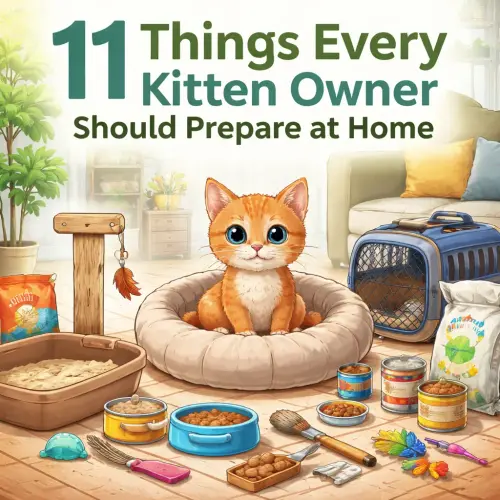
Why Preparing the Right Things Every Kitten Owner Should Prepare at Home Matters
Kittens are curious, energetic, and incredibly vulnerable during their first few months. The environment you set up directly affects their physical health, emotional security, and behavior. A well-prepared home reduces stress, prevents common accidents, and builds trust between you and your kitten. By organizing the essentials ahead of time, you avoid last-minute scrambles and give your new pet the best start possible.
How This Checklist Differs from Generic Advice
Many “new kitten” lists overlook items like vertical scratching surfaces or safe hiding spots. This guide focuses on practical, research-backed choices — the same tools that veterinary professionals and experienced cat owners rely on. Each item on the list serves a specific purpose, from preventing litter box aversion to encouraging healthy play without injury. For a related guide, see 12 Essential Pet Supplies Every New Owner Needs (Checklist).
The 11 Essential Things Every Kitten Owner Should Prepare at Home
Below you’ll find the proven checklist, organized by category. Use this as a shopping and setup guide before your kitten arrives.
1. A Safe, Covered Litter Box Setup
Choose a box that is low enough for a small kitten to enter easily but has high sides to contain litter. Unscented, clumping clay or natural plant-based litter is safest for kittens, avoiding respiratory irritation. Place the box in a quiet, accessible location — away from food and water bowls. A mat underneath catches tracked litter and keeps floors clean.
Pro tip: Have one more box than the number of cats (so for a single kitten, start with two boxes in different spots). This prevents accidents while they’re learning.
2. High-Quality Kitten Food and Bowls
Kittens need food formulated for growth — look for labels that say “complete and balanced for kittens” from reputable brands like Royal Canin, Hill’s Science Diet, or Purina Pro Plan. Use shallow ceramic or stainless steel bowls that are easy to clean and don’t harbor bacteria. Avoid plastic bowls, which can cause chin acne and absorb odors.
Keep fresh water available at all times, ideally in a separate bowl or a cat water fountain that encourages hydration.
3. A Cozy, Designated Sleeping Area
Kittens sleep up to 20 hours a day. Provide a soft bed or a padded blanket in a quiet corner where they feel safe. Heated beds or self-warming pads are especially soothing during colder months. Avoid placing the bed in high-traffic areas or near loud appliances.
4. Scratching Posts and Pads (Vertical and Horizontal)
Cats scratch to mark territory and maintain claw health. Offer a variety of surfaces — sisal rope posts, corrugated cardboard scratchers, and carpet-covered platforms. Place them where your kitten naturally wants to scratch: near sleeping spots and exit points. This single investment saves your furniture and teaches appropriate scratching behavior from the start.
5. Interactive Toys for Mental Stimulation
Kittens need outlets for their hunting instincts. Wand toys with feathers or bells, crinkle balls, and puzzle feeders are excellent choices. Rotate toys every few days to keep interest high. Avoid small, detachable parts (like plastic eyes or ribbons) that could be swallowed. Supervised play sessions of 10–15 minutes, 3–4 times a day, help burn off energy and strengthen your bond. For a related guide, see 7 Essential Health Records Every Pet Owner Must Keep.
6. A Comfortable, Secure Carrier
A hard-sided carrier with a removable top is easiest for vet visits. Leave the carrier out with the door open and a soft blanket inside for a few days before the first trip. This familiarizes the kitten and reduces car anxiety. The carrier should be large enough for the kitten to stand and turn around but not excessively roomy — cozy feels safe.
7. Kitten-Proofing Essentials
Kittens investigate everything with their mouths. Secure loose electrical cords with cord covers, lock away toxic plants (lilies are deadly), and store cleaning supplies, medications, and small objects like rubber bands in closed cabinets. Cover gaps behind appliances and block access to spaces where a kitten could get stuck. Use childproof locks on low cabinets that contain hazards.
8. A Basic First-Aid Kit for Cats
Assemble a kit that includes sterile gauze pads, non-stick bandages, adhesive tape (not medical tape — use vet wrap), blunt-tip scissors, tweezers, styptic powder (to stop minor bleeding from nail trims), and a digital thermometer. Add a pet-safe antiseptic like diluted chlorhexidine. Keep your vet’s emergency number and the nearest 24-hour animal hospital’s contact info inside the kit.
9. Identification and Microchip Registration
Collars with breakaway buckles (plus an ID tag with your phone number) are essential even for indoor-only cats. Microchipping offers permanent identification. Register the chip with your current information and update it if you move. According to the American Veterinary Medical Association, microchipped cats are returned to their owners at much higher rates.
10. Grooming Tools and Nail Care Supplies
A soft-bristle brush or rubber grooming mitt helps reduce shedding and hairballs while familiarizing your kitten with handling. Start nail trims early using kitten-sized clippers or a nail grinder. Introduce these tools slowly with treats and praise. Weekly grooming sessions also let you check for fleas, ticks, or skin issues.
11. Vertical Space: Cat Trees and Window Perches
Cats feel safer when they can observe from above. A cat tree with multiple levels, a hammock, or a window perch satisfies their climbing instinct and provides a retreat if they feel overwhelmed. Anchor large trees to the wall to prevent tipping. A perch by a sunny window offers entertainment and warmth.
How to Set Up Your Home Efficiently
Before bringing your kitten home, designate one room as their “safe room” for the first 24–48 hours. Set up the litter box, food, water, bed, and a scratching post in that space. Gradually expand their territory room by room as they gain confidence. This slow introduction prevents overwhelm and makes potty training consistent.
Budget-Friendly Alternatives That Still Work
If you’re on a tight budget, a cardboard box with a soft towel makes an excellent temporary bed. Homemade toys from crumpled paper or fabric scraps are fine as long as they don’t contain strings or small parts. Prioritize the litter box, food, and carrier as non-negotiables, then add the rest over time.
Common Mistakes New Owners Make (and How to Avoid Them)
- Choosing the wrong litter type: Scented or harsh clumping litters can cause respiratory issues. Stick to unscented, fine-grain clumping clay or pine pellets initially.
- Overlooking water bowl location: Placing water next to food often discourages drinking because cats instinctively avoid water near prey. Separate them by several feet.
- Skipping the scratch post until furniture is damaged: Once a kitten learns that upholstery feels good, breaking the habit is much harder. Provide acceptable surfaces from day one.
Useful Resources
For more detailed guidance on kitten nutrition and behavior, check out these trusted sources:
- ASPCA Kitten Care Guide — comprehensive tips on feeding, health, and socialization from a leading animal welfare organization.
- VCA Animal Hospitals Kitten Care — veterinary-reviewed articles covering everything from vaccination schedules to enrichment.
Preparing your home with these Things Every Kitten Owner Should Prepare at Home sets the stage for a lifetime of happy, healthy companionship. Do you have any must-have items that we missed? Share your own kitten essentials in the comments below — we’d love to hear what works for your family.
Frequently Asked Questions About Things Every Kitten Owner Should Prepare at Home
What are the essential Things Every Kitten Owner Should Prepare at Home before bringing a kitten home?
At minimum, you should have a litter box with unscented litter, kitten-formulated food and bowls, a carrier, a scratching post, a safe bed, and a few interactive toys. These items cover basic needs and help your kitten settle in comfortably during their first days.
How many litter boxes do I need for one kitten?
Veterinary behaviorists recommend having two litter boxes for a single kitten. Place them in separate locations — not right next to each other. This ensures a backup option if one becomes dirty or if the kitten feels insecure in one spot.
Is it okay to use adult cat food for a kitten?
No. Kitten food has higher levels of protein, fat, calcium, and phosphorus to support rapid growth and bone development. Feeding adult cat food can lead to nutritional deficiencies. Transition to adult food only after your cat reaches about 12 months of age, or as advised by your vet.
What type of litter is safest for a kitten?
Unscented, fine-grained clumping clay litter or natural plant-based litters (like pine, corn, or wheat) are safest. Avoid crystal litters or heavily perfumed options, which can irritate a kitten’s respiratory tract. If you choose clumping litter, ensure the kitten is old enough (around 8 weeks) to avoid ingesting it.
Do I really need a scratching post if I have carpet?
Yes. Without a designated scratching post, your kitten will naturally choose carpet or furniture. Providing a sturdy post covered in sisal or cardboard satisfies the instinct and protects your home. Place it in a prominent area, not tucked away in a closet.
How can I kitten-proof my home effectively?
Start by getting down to kitten eye level — look for dangling cords, small objects, toxic plants (especially lilies), gaps behind appliances, and open cabinets. Use cord covers, childproof locks, and secure heavy furniture to walls. Remove anything small enough to be swallowed.
What should I put in a kitten first-aid kit?
Include sterile gauze pads, non-stick bandages, vet wrap, blunt-tip scissors, tweezers, styptic powder, a digital thermometer, and a pet-safe antiseptic. Store your vet’s number and an emergency clinic contact inside the kit. Check expiration dates regularly.
When should I start grooming my kitten?
Start gentle brushing and nail trims within the first week home, using treats and positive reinforcement. Short, 2–3 minute sessions several times a week build familiarity. Early handling makes future grooming and vet exams much less stressful.
Is a collar safe for an indoor kitten?
Yes, but only a breakaway collar that releases under pressure. This prevents strangulation if the collar snags on furniture. Attach an ID tag with your phone number. Remove the collar during unsupervised play if your kitten is still adjusting.
How often should I clean the litter box?
Scoop the box at least once daily, and completely replace the litter every 1–2 weeks (depending on type). Wash the box with mild dish soap and warm water — avoid strong-smelling cleaners. A clean box encourages consistent use and prevents odor.
Can I leave my kitten alone with toys?
It depends on the toy. Soft plush toys without small parts, crinkle balls, and sturdy balls with bells are generally safe for solo play. Wand toys, string, and ribbon-like items should only be used during supervised play to avoid ingestion or strangulation risks.
What kind of bed does a kitten prefer?
Kittens often prefer cozy, enclosed spaces that retain body heat — think soft donut beds, hooded cat caves, or simple boxes with blankets. Place the bed in a quiet, low-traffic area. Some kittens also like sleeping on elevated surfaces like cat trees.
Do I need to feed my kitten wet food or dry food?
A combination works best. Wet food provides moisture and is easier for young kittens to chew. High-quality dry kibble supports dental health and can be used in puzzle feeders. Always choose a formulation specifically labeled for kittens.
How do I introduce my kitten to their carrier?
Leave the carrier open in a familiar room with a soft blanket and a treat inside. Let your kitten explore it on their own over several days. Associate the carrier with positive experiences — feed meals near it, then gradually place food inside. Never force them in.
Should I get pet insurance for my kitten?
It’s a smart investment. Pet insurance can cover unexpected veterinary costs from accidents, illnesses, and sometimes routine care. Policies vary widely, so compare coverage and deductibles. Many owners find it pays for itself after just one emergency visit.
What is the best way to set up a safe room for my kitten?
Choose a small, quiet room with a door. Put the litter box at one end, food and water at the other, and a bed with hiding spots (like a cardboard box or a covered cat bed). Add a scratching post and a few toys. Spend time with your kitten in this room before giving access to the whole house.
How high should a cat tree be for a kitten?
For safety, start with a cat tree that is 2–3 feet tall with stable bases. Look for models with wide platforms and a low first step. As your kitten grows and gains agility, you can add taller structures. Always secure tall trees to the wall to prevent tipping.
What foods and plants are toxic to kittens?
Common toxic foods include chocolate, onions, garlic, grapes, raisins, and xylitol (artificial sweetener). Toxic plants include lilies (extremely dangerous), tulips, sago palm, and daffodils. Keep all of these out of reach and contact your vet immediately if ingestion is suspected.
How much does it cost to initially prepare a home for a kitten?
Budget approximately $150–$350 for the initial essentials (litter box, starter litter, food, bowls, carrier, scratching post, bed, and a few toys). Costs increase with additional items like cat trees, pet insurance, and a microchip. Spreading purchases over a few weeks helps manage expenses.
Can I use a dog crate as a kitten carrier?
It’s not ideal. Dog crates are often too large for a kitten to feel secure, and they don’t provide the same comfort in a moving vehicle. A properly sized, hard-sided cat carrier is safer and more comfortable. If you already have a small dog crate, line it with a soft blanket and secure it with a seatbelt, but upgrade as soon as possible.