


Vet Tips for Preventing Common Puppy Illnesses Key Takeaways
Bringing a new puppy home is one of the most joyful moments in a pet owner’s life, but it also comes with the responsibility of protecting your little one from preventable health issues.
- Vet tips for preventing common puppy illnesses emphasize the importance of early vaccinations, deworming, and proper nutrition to build a strong immune system.
- Establishing a consistent hygiene routine and puppy-proofing your home can significantly reduce the risk of infections and accidents.
- Regular veterinary check-ups and being alert to early signs of illness help catch problems before they become serious.
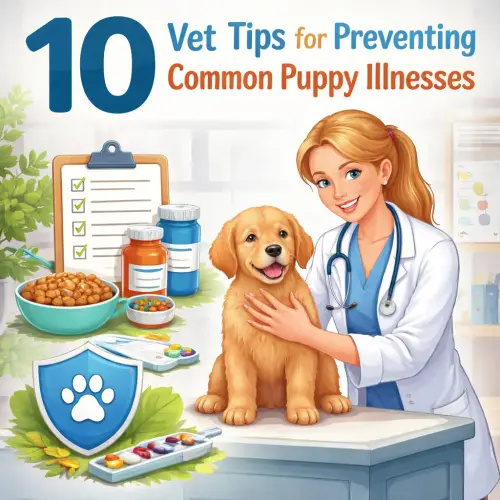
Why Every New Pet Parent Needs These Vet Tips for Preventing Common Puppy Illnesses
The first few months of a puppy’s life are a critical window for building lifelong health. Puppies have immature immune systems that leave them vulnerable to a range of illnesses, from parvovirus to kennel cough. That’s why puppy health tips from trusted veterinarians are essential. By following these vet tips for preventing common puppy illnesses, you can dramatically reduce your puppy’s risk of getting sick and ensure a happy start to life together. For a related guide, see 14 Vet-Approved Tips for Healthier Pets: Essential Expert Advice.
Below are ten expert-backed strategies that cover everything from vaccination schedules to environmental safety. Each tip is designed to be practical, actionable, and rooted in veterinary science. Whether you’re a first-time dog owner or raising a puppy after many years, this guide will help you stay one step ahead of preventable diseases.
Tip #1: Start the Vaccination Series on Time
Core vaccines are your puppy’s first line of defense against deadly illnesses like distemper, parvovirus, and adenovirus. Most puppies begin their vaccination series between 6 to 8 weeks of age and need boosters every 3 to 4 weeks until about 16 weeks old. For a related guide, see 10 Essential Dog Training Tips for First-Time Owners to Avoid.
The Core Vaccination Schedule
| Age | Vaccine | Purpose |
|---|---|---|
| 6–8 weeks | DHPP (first dose) | Distemper, hepatitis, parainfluenza, parvovirus |
| 10–12 weeks | DHPP (second dose) | Booster protection |
| 14–16 weeks | DHPP (third dose) + Rabies | Final puppy booster and rabies immunity |
Talk with your veterinarian about non-core vaccines (like Leptospirosis or Bordetella) based on your puppy’s lifestyle and local disease risk. Keeping your puppy home from dog parks and other high-traffic pet areas until fully vaccinated is a key part of prevent puppy illness recommendations.
Tip #2: Implement a Consistent Deworming Protocol
Intestinal parasites are extremely common in puppies, and some can be transmitted to humans. Roundworms, hookworms, whipworms, and giardia can all cause diarrhea, vomiting, poor growth, and even anemia. Puppy care for new owners always includes a deworming schedule: most puppies need treatment starting at 2 weeks of age and continuing every 2 weeks until they are 8 weeks old, then monthly until 6 months.
Your vet will typically perform a fecal examination to identify the specific parasites present and prescribe the most effective medication. Puppy health tips like picking up stool immediately and washing your hands after handling your puppy help break the life cycle of these parasites.
Tip #3: Feed a Balanced, Age-Appropriate Diet
Nutrition fuels your puppy’s growth and immune system. High-quality commercial puppy foods are formulated to provide the correct balance of protein, fat, calcium, and essential vitamins. Avoid feeding table scraps or dog foods labeled for adult maintenance, as they lack the precise nutrients growing puppies need.
Dietary Do’s and Don’ts
- Do: Choose a food that meets AAFCO standards for “growth and reproduction.”
- Do: Follow the feeding guide on the package but adjust based on your puppy’s body condition.
- Don’t: Supplement with calcium unless prescribed by your vet (too much can cause bone deformities).
- Don’t: Switch foods abruptly; transition over 5 to 7 days to avoid digestive upset.
These vet tips for preventing common puppy illnesses include monitoring your puppy’s weight weekly. Rapid growth or weight loss can both be signs of underlying health problems.
Tip #4: Keep Your Puppy’s Living Space Clean and Safe
A clean environment reduces your puppy’s exposure to bacteria, viruses, and parasites. Wash bedding weekly with hot water, disinfect food and water bowls daily, and remove feces from your yard or walkway immediately. Prevent puppy illness by using a pet-safe disinfectant for floors, especially in areas where your puppy eats and sleeps.
Puppy-proofing is equally important. Remove electrical cords, toxic houseplants (like lilies and sago palms), and small objects that could be choked on. Block off areas where cleaning chemicals or medications are stored. A safe environment prevents both accidents and poisoning.
Tip #5: Socialize Carefully—Before and After Vaccinations
Proper socialization is crucial for your puppy’s behavioral health, but it must be balanced with infection risk. Before full vaccination, invite healthy, vaccinated adult dogs to your home for supervised playdates. Expose your puppy to new sights, sounds, and surfaces in safe settings—like having visitors wear clean shoes and sitting in your own backyard.
After your puppy completes the core vaccine series, gradually introduce them to dog parks, pet stores, and group training classes. Puppy health tips from the American Veterinary Medical Association recommend enrolling in a well-run puppy kindergarten class that requires proof of vaccines for all participants. This approach builds confidence while keeping your puppy safe.
Tip #6: Establish a Dental Care Routine Early
Oral health is often overlooked in puppy care for new owners, but poor dental hygiene can lead to periodontal disease, which affects the heart, kidneys, and liver. Start by letting your puppy lick a small amount of dog-safe toothpaste from your finger. Then introduce a soft-bristled toothbrush designed for dogs.
Daily brushing is ideal. Dental chews and water additives approved by the Veterinary Oral Health Council can supplement but not replace brushing. Early habits make future dentistry visits easier and help your puppy keep their teeth for life.
Tip #7: Recognize Early Signs of Illness
Puppies can’t tell us when they don’t feel well, but they show it through changes in behavior. Key signs to watch for include:
- Lethargy or unusual sleepiness
- Loss of appetite or refusal to drink water
- Vomiting or diarrhea lasting more than 12 hours
- Coughing, sneezing, or nasal discharge
- Red, runny eyes or squinting
- Limping or stiffness
If you notice any of these, contact your veterinarian promptly. Early intervention often means less expensive and less invasive treatment. These vet tips for preventing common puppy illnesses are most effective when paired with careful observation.
Tip #8: Use Parasite Prevention Year-Round
Fleas, ticks, and mosquitoes don’t take a break in cooler months. In many regions, these parasites remain active year-round. Fleas can cause allergic reactions and tapeworm infestations, ticks transmit Lyme disease and ehrlichiosis, and mosquitoes carry heartworm—a potentially fatal infection.
Your veterinarian can recommend a safe monthly preventative that covers both fleas and ticks, plus a heartworm preventive. Many are combined in a single chewable tablet or topical solution. Consistency is vital because missing just one dose can leave your puppy vulnerable.
Tip #9: Schedule Regular Wellness Exams
Even if your puppy seems perfectly healthy, routine veterinary visits allow for early detection of issues that aren’t obvious to the untrained eye. During a wellness exam, the vet will:
- Check weight, body condition, and growth rate
- Listen to the heart and lungs
- Examine ears, eyes, teeth, and skin
- Perform fecal tests for parasites
- Discuss nutrition, behavior, and training
Most vets recommend exams every 3 to 4 weeks while your puppy is completing the vaccine series, then annually after that. Think of these visits as an investment in your puppy’s long-term health. Puppy care for new owners becomes much easier when you build a trusted relationship with a vet early.
Tip #10: Avoid Over-exercising and Provide Adequate Rest
Puppies need plenty of play and exploration, but their growing bones and joints are delicate. Over-exercising, especially on hard surfaces or with repetitive jumping, can contribute to hip dysplasia, elbow dysplasia, and other orthopedic problems.
A good rule of thumb is 5 minutes of structured exercise per month of age twice a day (for example, a 3-month-old puppy gets 15 minutes of exercise twice daily). Free play in a securely fenced area is usually safe, but avoid forcing your puppy to run or climb stairs. Equally important is ample sleep: puppies need 18 to 20 hours of sleep per day for proper growth and immune function.
This final tip rounds out our comprehensive list of vet tips for preventing common puppy illnesses. When you balance activity with rest, your puppy’s body can recover and develop the way nature intended.
Useful Resources
For more detailed guidance on puppy care and disease prevention, visit the American Veterinary Medical Association’s Puppy Care page. It offers science-based information on vaccines, nutrition, and behavior.
Another excellent resource is the VCA Animal Hospitals’ guide to your puppy’s first weeks, which includes practical checklists for new owners.
Bringing a puppy into your home is a wonderful journey, and following these vet tips for preventing common puppy illnesses gives your furry companion the best start. Remember, your veterinarian is your partner in pet health—don’t hesitate to ask questions, schedule regular check-ups, and trust your instincts if something seems off. A little proactive care goes a long way toward a lifetime of wagging tails and wet noses.
Frequently Asked Questions About Vet Tips for Preventing Common Puppy Illnesses
How soon should I take my new puppy to the vet?
Ideally, take your puppy for a first wellness visit within the first 48 hours of bringing them home. This allows your veterinarian to assess overall health, start the vaccine schedule, and check for parasites.
What is the most common illness in puppies?
Intestinal parasites (like roundworms and hookworms) are among the most common illnesses in puppies, followed by infectious diseases like parvovirus and kennel cough. A good deworming and vaccine program prevents most cases.
Can I give my puppy human vitamins?
No. Human vitamins often contain ingredients like iron or vitamin D in amounts that are toxic to dogs. Always use supplements designed specifically for puppies and recommended by your vet.
How can I boost my puppy’s immune system naturally?
Providing high-quality nutrition, keeping stress low, ensuring adequate sleep, and following the recommended vaccine and deworming schedule are the best natural ways to support your puppy’s immune system.
Is it safe to take an unvaccinated puppy outside?
It’s safe to carry your puppy outside to areas that are not frequented by other dogs, such as your own front yard or sidewalk. Avoid dog parks, pet stores, and areas where stray dogs roam until your puppy is fully vaccinated.
What should I do if my puppy has diarrhea?
If the diarrhea is mild and your puppy is acting normal, withhold food for 12 hours and offer small amounts of water. If it persists for more than 24 hours, contains blood, or is accompanied by vomiting, see your vet immediately.
How often should I bathe my puppy?
Most puppies need a bath only once every 1 to 3 months unless they get into something dirty. Over-bathing strips the skin of natural oils and can cause dryness. Use a gentle, puppy-safe shampoo.
Can puppies get sick from stress?
Yes, stress can weaken a puppy’s immune system, making them more vulnerable to infections. Major stressors include moving to a new home, loud noises, and being separated from littermates too early. Provide a calm, predictable environment.
Do all puppies need the same vaccines?
Core vaccines (distemper, parvovirus, adenovirus, rabies) are recommended for every puppy. Non-core vaccines like Bordetella or Leptospirosis are given based on geographic location and lifestyle. Your vet will tailor the plan.
What is the best way to clean a puppy’s ears?
Use a veterinarian-approved ear cleaning solution and a cotton ball (never a Q-tip inside the ear canal). Gently wipe the visible part of the ear. If you notice redness, discharge, or a bad smell, consult your vet.
How do I know if my puppy has worms?
Signs include a pot-bellied appearance, visible worms in the stool or around the anus, vomiting, diarrhea, weight loss, and a dull coat. A fecal test at the vet can confirm the diagnosis.
Is it normal for puppies to sleep a lot?
Yes, puppies sleep 18 to 20 hours a day during their early months. This helps their brain and body develop. If your puppy seems unusually lethargic and difficult to wake, that could be a sign of illness.
Can I give my puppy ice cubes to chew?
Plain ice cubes are generally safe and can help with teething. However, some puppies may break a tooth on very large, hard cubes. Softer treats like frozen carrot sticks are a safer alternative.
When should I start puppy training classes?
Puppies can start basic socialization and training classes as early as 7 to 8 weeks old, provided they have had at least their first vaccine and the facility requires proof of vaccinations. Early training prevents behavior problems linked to stress.
What household items are toxic to puppies?
Common toxins include chocolate, grapes, raisins, onions, garlic, xylitol (in sugar-free gum), certain plants (lilies, sago palm), and human medications like ibuprofen. Always keep these out of reach.
How do I introduce my puppy to other dogs safely?
Start with neutral territory on leash and allow both dogs to sniff each other’s hind ends. Keep the meeting short and positive. Avoid tense situations and separate them before play gets too rough.
Can puppies drink milk?
No, after weaning, puppies lose the ability to digest lactose properly. Cow’s milk can cause diarrhea. Water is the only fluid they need, although some can tolerate small amounts of plain yogurt.
What is kennel cough in puppies?
Kennel cough is a highly contagious respiratory infection characterized by a loud, hacking cough. It is often contracted at boarding facilities, dog parks, or training classes. Vaccination can reduce the severity and risk.
How do I trim my puppy’s nails safely?
Use sharp, puppy-sized nail clippers and cut only the white tip, avoiding the dark “quick” that contains blood vessels. If you’re unsure, your vet or a professional groomer can show you. Dremel tools can also help.
When should I see a vet for minor health concerns?
It’s always better to be safe. If your puppy has a mild issue that doesn’t improve within 24 hours, or if you’re worried about any symptom—especially in a very young puppy—call your veterinarian for guidance.