



warning signs of pet poisoning Key Takeaways
Pets explore the world with their mouths, which is why toxic substances — from chocolate and xylitol to antifreeze and lilies — can end up inside them before you know it.
- The most common warning signs of pet poisoning include vomiting, diarrhea, drooling, and lethargy — but seizures and collapse signal extreme toxicity.
- Dogs and cats may hide symptoms differently; knowing species-specific clues helps you respond sooner.
- Always call your veterinarian or a pet poison helpline immediately if you suspect poisoning, even if symptoms seem mild.
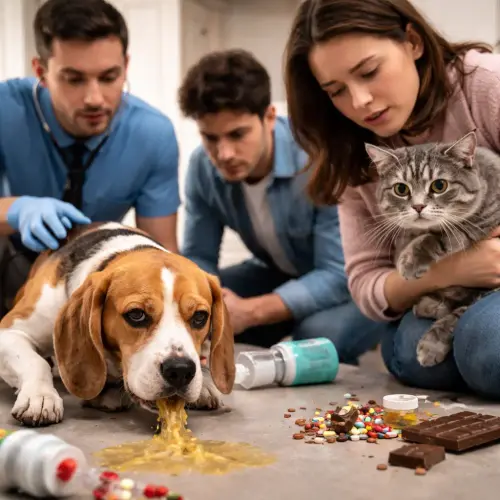
Recognizing the Warning Signs of Pet Poisoning Early
Pets explore the world with their mouths, which is why toxic substances — from chocolate and xylitol to antifreeze and lilies — can end up inside them before you know it. The warning signs of pet poisoning vary widely depending on the toxin, the amount ingested, and your pet’s size and health. In many cases, symptoms appear within 30 minutes to a few hours, but some toxins can take up to 24 hours to show effects. That’s why knowing what to look for upfront is a lifesaving skill every pet owner should develop. For a related guide, see 9 Common Emergency Vet Visits: Essential Warning Signs Every Dog Owner Should Know.
Below we break down the nine most common signs, from earliest to most severe, and explain what to do if you see them.
9 Critical Warning Signs of Pet Poisoning
This list is not exhaustive, but it covers the symptoms most frequently reported to veterinary emergency rooms and pet poison control centers.
1. Vomiting and Diarrhea
Vomiting is the most frequently reported warning sign of pet poisoning. It can occur within minutes or up to six hours after ingestion. If the vomit contains blood or looks like coffee grounds, internal bleeding may be happening. Diarrhea, especially when watery or bloody, should also raise immediate concern, particularly if it accompanies vomiting.
2. Excessive Drooling or Foaming at the Mouth
Sudden drooling — especially in cats, who rarely drool — strongly suggests irritation or a toxic substance. Foaming at the mouth can result from panic, nausea, or direct contact with a caustic chemical like a cleaning product or a bitter-tasting poison such as a pesticide. This pet poisoning sign demands urgent attention, as airway swelling or burns may follow.
3. Lethargy or Weakness
A normally active dog or cat that suddenly becomes sluggish, unsteady on its feet, or unwilling to move may be exhibiting one of the more subtle warning signs of pet poisoning. Lethargy can signal metabolic changes caused by toxic ingestion. A pet that is difficult to rouse or shows poor coordination should be seen by a veterinarian immediately.
4. Loss of Appetite
If your pet refuses food or water for more than a few hours, particularly after being around garbage, household plants, or medications, it could be a side effect of poisoning. Loss of appetite often pairs with other symptoms, but alone it still warrants a call to your vet, especially if you suspect your pet accessed a known toxin.
5. Pale or Yellow Gums
Checking your pet’s gums can offer quick clues. Pale, white, or bluish gums may indicate shock, blood loss, or severe anemia from certain toxins like rat poison or acetaminophen. Yellow gums (jaundice) suggest liver damage, which can occur with poisonings from xylitol, some mushrooms, or certain medications. Normal gums should be pink and moist.
6. Increased Thirst and Urination
Excessive thirst and urination can point to poisoning from substances like antifreeze (ethylene glycol), which causes kidney failure quickly. It can also result from ingestion of grapes, raisins, or certain human medications like ADHD drugs and antidepressants. This warning sign of pet poisoning is easy to miss, but if you notice your pet drinking more than usual or having accidents in the house, investigate promptly.
7. Seizures or Tremors
Seizures — uncontrolled shaking, twitching, or stiffening of the body — are among the most alarming warning signs of pet poisoning. This can happen with toxins like chocolate, caffeine, xylitol, snail bait, or marijuana. Tremors may start locally in one limb before spreading. Do not restrain a seizing pet; instead, keep them safe from furniture edges and contact a vet or an animal emergency hospital immediately. For a related guide, see 15 Signs Your Pet Needs Immediate Veterinary Care – Don’t Miss These Warnings.
8. Difficulty Breathing
Labored breathing, panting that seems excessive for the temperature, or coughing can indicate that a toxin is affecting the respiratory system or causing fluid buildup in the lungs. Aspirin, NSAIDs, and some essential oils can trigger this. Breathing issues require immediate veterinary intervention, as oxygen levels may drop dangerously fast.
9. Collapse or Unconsciousness
If your pet collapses, becomes unresponsive, or loses consciousness, this is a code-red emergency. Collapse can result from severe metabolic shock, cardiac rhythm changes, or overwhelming toxicity. Immediately transport your pet to the nearest veterinary emergency clinic while keeping them warm and calm. Do not try to induce vomiting at home unless directed by a professional, as some toxins can cause more damage if brought back up.
What to Do If You See These Warning Signs of Pet Poisoning
Time is tissue. If you suspect poisoning, follow these steps:
- Stay calm and remove the toxin. If the poison is on the skin or fur, gently wash the area with liquid dish soap and water. Do not use harsh chemicals.
- Call your veterinarian immediately. Describe the pet, the toxin involved (or what you suspect), the amount, and the time of exposure. If it’s after hours, go to the nearest emergency animal hospital.
- Contact a pet poison helpline. The ASPCA Animal Poison Control Center (1-888-426-4435) and Pet Poison Helpline (1-855-764-7661) are available 24 hours. A consultation fee applies, but this information can be lifesaving.
- Do not induce vomiting unless directed. Some toxins are caustic and can burn the esophagus again on the way up. Some are rapid-acting and cause seizures if vomiting occurs incorrectly.
- Bring the toxin container or packaging to the vet. This helps identify the active ingredient and determine the best treatment plan.
How to Prevent Pet Poisoning at Home
Of course, the best treatment is prevention. Many poisonings happen inside the home, so a little awareness goes a long way:
- Store all human medications, supplements, and CBD products out of reach in lockable cabinets.
- Keep chocolate, xylitol-containing gum and candy, grapes, raisins, onions, and garlic well sealed and away from curious noses.
- Choose pet-safe houseplants — especially avoid lilies (deadly to cats), sago palms, and philodendrons.
- Dispose of antifreeze carefully, and keep cleaning products in secure containers.
- Be cautious with flea collars, garden pesticides, and rodent bait, and follow all label instructions to the letter.
Useful Resources
For more detailed information about specific toxins and treatment protocols, we recommend these authoritative sources:
- ASPCA Animal Poison Control Center — Up-to-date database of toxic substances and emergency contact information.
- Pet Poison Helpline — 24/7 support with detailed toxicology profiles and treatment recommendations from board-certified veterinarian toxicologists.
Frequently Asked Questions About warning signs of pet poisoning
What are the most common warning signs of pet poisoning in dogs?
Vomiting, diarrhea, drooling, lethargy, loss of appetite, and pale gums are the most frequently reported warning signs of pet poisoning in dogs. Seizures and collapse indicate a more severe reaction.
What are the first signs of poisoning in cats?
Cats may hide symptoms longer. Early pet poisoning signs include drooling, vomiting, hiding, lethargy, and dilated pupils. Difficulty breathing or sudden aggression can also occur.
How fast do poisoning symptoms appear in pets?
Many symptoms appear within 30 minutes to 4 hours after ingestion, but some toxins, such as certain anticoagulant rat poisons, may take 24 to 72 hours to produce noticeable warning signs of pet poisoning.
Can a pet recover from poisoning without vet treatment?
Occasionally, if the toxin is mild and the amount very small, a pet might self-resolve. However, because many poisons cause internal damage that isn’t visible, veterinary evaluation is always the safest approach.
Should I make my pet vomit if I suspect poisoning?
Only if a veterinarian or pet poison control expert specifically advises it. Inducing vomiting at home can be dangerous — especially with caustic or petroleum-based toxins — and is not appropriate for all situations.
What common household items are toxic to pets?
Chocolate, xylitol, grapes, raisins, onions, garlic, lilies, sago palms, antifreeze, human pain relievers (ibuprofen, acetaminophen), and antidepressants are among the most common household toxins to watch for.
Can essential oils cause poisoning in pets?
Yes, especially concentrated oils like tea tree, cinnamon, citrus, peppermint, and eucalyptus. Inhalation or skin contact can cause drooling, breathing difficulty, and liver damage. Diffusion in small doses is generally safer but still requires caution.
Is chocolate really that dangerous for dogs?
Yes. Dark and baking chocolate are most toxic. Symptoms include hyperactivity, panting, vomiting, diarrhea, seizures, and heart arrhythmias. The amount matters — a small dog eating a single dark chocolate bar is at risk.
How do I know if my pet ate a poisonous plant?
Look for sudden vomiting, diarrhea, drooling, or swelling around the mouth and tongue. Check for chewed leaves or missing parts of your houseplants. If you suspect a plant poisoning, bring a leaf or photo to the vet.
Are grapes and raisins really toxic to dogs?
Yes, even one or two grapes can cause sudden kidney failure in some dogs. The exact toxin is unknown, but the warning signs of pet poisoning include vomiting, lethargy, and loss of appetite within 24 hours.
What should I do if my pet has a seizure from poisoning?
Stay calm. Move furniture away from the pet, do not put anything in their mouth, and time the seizure. Contact your vet or emergency clinic immediately. If seizures last more than 2 to 3 minutes, it’s a life-threatening emergency.
Can antifreeze poisoning be treated if caught early?
Yes, but time is critical. Antifreeze (ethylene glycol) causes kidney failure. If treated within a few hours with a specific antidote, many animals recover. After 6–12 hours, the prognosis becomes poor. Rapid drop to the vet is essential.
Is it safe to use flea and tick treatments indoors?
When used exactly as labeled, they are safe. However, using dog-specific products on cats can be deadly. Over-applying or using expired products may cause tremors, drooling, and skin reactions. Always read the entire label.
Can pets be poisoned by breathing fumes?
Yes. Inhalation poisoning can occur with carbon monoxide (from cars running in garages), paint fumes, smoke from fires, or concentrated cleaning products. Symptoms include coughing, difficulty breathing, and disorientation.
What is xylitol and why is it dangerous for dogs?
Xylitol is a sugar substitute found in sugar-free gum, candy, baked goods, and some peanut butters. It causes a rapid drop in blood sugar, leading to vomiting, weakness, seizures, and liver failure. Even a tiny amount can be dangerous.
Can older pets show different poisoning symptoms?
Older pets may have less obvious symptoms due to slower metabolism or pre-existing conditions. The warning signs of pet poisoning in senior pets may be subtle: increased sleeping, less interest in food, or mild weakness. If you suspect anything, err on the side of caution and call the vet.
How can I pet-proof my home for new puppies or kittens?
Start by removing or securing all potential toxins: medications, cleaners, plants, and small objects they might swallow. Block access to garbage cans, wiring, and low cabinets. Consider installing childproof locks on storage areas.
Should I keep the poison container for the vet?
Absolutely. The packaging or a photo of the container helps the vet identify the exact toxin, active ingredient, and concentration, which guides treatment. Even a tiny sample or ingredient list is helpful.
Can my pet be poisoned by eating rodents killed by poison?
Yes, this is called secondary poisoning. If a pet eats a rodent that ingested anticoagulant bait, it can develop internal bleeding. This is more common with high bait concentrations or if the pet consumes multiple rodents.
Is there a 24-hour pet poison helpline I can call?
Yes, the ASPCA Animal Poison Control Center (1-888-426-4435) and Pet Poison Helpline (1-855-764-7661) both operate 24 hours a day, 365 days a year. A consultation fee is charged, but it’s a small price for potentially lifesaving advice.