



Ways to Socialize Puppies Safely Key Takeaways
Socializing your puppy during the critical early weeks is one of the most important ways to socialize puppies safely , building a confident, well-behaved dog for life.
- Ways to Socialize Puppies Safely start with gradual, positive exposure to new sights, sounds, and people.
- Safety prioritizes vaccination status, controlled environments, and reading your puppy’s body language.
- Consistent, reward-based training turns every socialization moment into a learning opportunity.
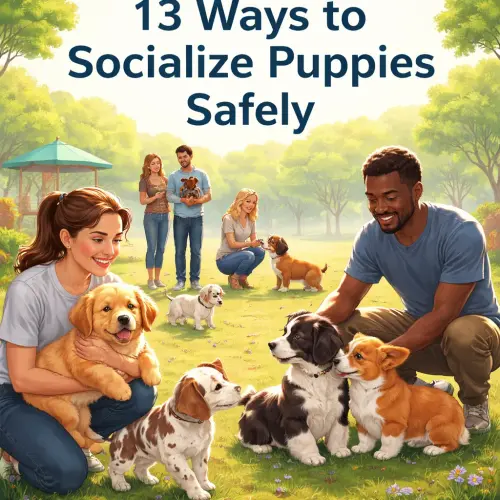
Why Mastering Ways to Socialize Puppies Safely Matters
Bringing a new puppy home is exciting, but it also comes with the responsibility of shaping a well-adjusted companion. The ways to socialize puppies safely you choose in the first 16 weeks set the foundation for your dog’s temperament, confidence, and behavior around other animals and people. Without careful socialization, puppies can develop fear-based aggression, anxiety, or withdrawal.
Safe socialization means exposing your pup to novel experiences in a controlled, positive way — never overwhelming them. It’s about quality over quantity, and it directly impacts your dog’s long-term happiness and your bond together.
Below are 13 actionable methods to help you navigate this process with confidence and care.
13 Proven Ways to Socialize Puppies Safely
Way 1: Start Early, But Within Safe Limits
The prime socialization window is between 3 and 16 weeks of age. Even before full vaccinations, you can safely socialize your puppy in low-risk settings. Carry your pup to meet neighbors, sit in your front yard, or invite fully vaccinated adult dogs over to your home.
Safety note: Avoid areas where unvaccinated or unknown dogs frequent, such as public parks or pet store floors. Use a clean blanket or carry your puppy in your arms to keep them safe from potential pathogens.
Way 2: Use Positive Reinforcement Every Time
Pair every new experience with something your puppy loves — treats, toys, or calm praise. This creates a positive association with novel stimuli. For example, when your puppy sees a new person, give a treat the moment they look at the person calmly.
Safety note: Always keep treats small and soft to prevent choking. Avoid overfeeding; use a portion of their daily kibble during sessions.
Way 3: Introduce Noises Gradually
Puppies can be startled by household sounds like vacuum cleaners, blenders, or doorbells. Start by playing recordings of these noises at a very low volume while giving your puppy a high-value treat. Gradually increase the volume over several days as your puppy remains relaxed.
Safety note: Never force your puppy near a loud noise. If they show signs of fear (cowering, tucked tail), lower the volume or increase distance immediately.
Way 4: Arrange Controlled Playdates
Interaction with well-vaccinated, balanced adult dogs is one of the ways to socialize puppies safely. Adult dogs often correct puppies gently, teaching bite inhibition and appropriate play. Observe interactions closely — the play should be reciprocal, with breaks for both dogs.
Safety note: Ensure the adult dog is known to be good with puppies. Avoid dogs that are overly dominant, fearful, or reactive. Keep sessions short (10–15 minutes at first).
Way 5: Visit Different Surfaces and Textures
Expose your puppy to various surfaces: grass, gravel, tile, carpet, sand, and wood floors. Let your puppy explore each at their own pace, using treats to encourage movement. This builds confidence and prevents future fear of unfamiliar ground.
Safety note: Inspect surfaces for sharp objects, hot pavement, or harmful chemicals. Always carry your puppy to and from unfamiliar surfaces if the area isn’t secured.
Way 6: Practice Handling and Grooming Early
Getting your puppy comfortable with being touched — ears, paws, mouth, tail — is crucial for vet visits and grooming. Gently handle these areas for a few seconds while giving treats. Gradually increase the duration as your puppy stays relaxed.
Safety note: Never force handling if your puppy shows discomfort. If they squirm or growl, slow down and use higher-value treats. This builds trust, not compliance.
Way 7: Expose to Different People and Appearances
Introduce your puppy to men, women, children, people wearing sunglasses, hats, or carrying umbrellas, and individuals using mobility aids. Each category is a new “type” of person. Ask each person to offer a treat while avoiding direct eye contact to make the experience non-threatening.
Safety note: Supervise all interactions with children. Teach children to approach slowly, let the puppy sniff first, and use gentle pets on the chest or side, not the top of the head.
Way 8: Take Short, Low-Stress Car Rides
Car travel is essential for vet visits and adventures. Start by letting your puppy explore a stationary car with treats. Then take very short drives (around the block) while a calm person reassures them from the back seat. Gradually increase trip length.
Safety note: Use a crash-tested car crate or secure harness. Never let your puppy ride loose — it is unsafe and distracting for the driver.
Way 9: Join a Puppy Socialization Class
A professionally run puppy class is one of the most controlled ways to socialize puppies safely. These classes are typically held in clean facilities and group puppies by age and size. Trainers guide interactions and offer expert advice on behavior.
Safety note: Verify the facility requires proof of first vaccinations and uses gentle, fear-free training methods. Avoid classes that allow punishment or harsh corrections.
Way 10: Introduce Novel Objects and Scents
Puppies explore the world with their noses. Place safe, novel objects in your home — a cardboard box, an inflatable ball, a laundry basket — and let your puppy sniff and investigate. Rotate objects weekly to keep experiences fresh.
Safety note: Ensure objects have no small parts that can be swallowed, no sharp edges, and no toxic materials (e.g., painted items that might chip).
Way 11: Practice Separation in Small Doses
To prevent separation anxiety, practice short absences. Step out of the room for 5 seconds, then return calmly. Gradually increase the time and distance, always rewarding your puppy for staying calm. This teaches your puppy that you always come back.
Safety note: Never punish whining or barking during separation exercises. This can worsen anxiety. Start with durations that your puppy can handle without distress.
Way 12: Walk in Low-Traffic Areas First
When your puppy is fully vaccinated (typically around 12–16 weeks), begin walks in quiet neighborhoods or nature trails. The goal is exposure to the environment (bicycles, joggers, strollers) without overwhelming traffic or crowds. Let your puppy set the pace.
Safety note: Use a well-fitted harness rather than a collar to avoid neck strain. Keep walks short — 5 minutes per month of age, twice daily.
Way 13: Stay Calm and Consistent
Your emotional state directly influences your puppy. If you feel anxious, your puppy will pick up on that tension. Approach each new experience with a calm, confident demeanor. Consistency across all ways to socialize puppies safely — timing, rewards, and rules — helps your puppy feel secure and predictable.
Safety note: If your puppy shows signs of fear (freezing, hiding, excessive yawning), stop the session and return to a comfortable environment. Pushing past fear can lead to long-term phobias.
Practical Tips for Every Day
Consistency is key. Dedicate at least 10–15 minutes daily to one or two of the above activities. Keep a journal of which ways to socialize puppies safely your puppy responds to best, and adjust accordingly. Always end each session on a positive note — your puppy should be happy and relaxed. For a related guide, see 10 Proven Ways to Keep Your Dog Healthy and Happy.
Remember that your puppy’s first few months are a unique window. Every positive interaction now reduces the risk of behavior problems and makes your dog a joy to take anywhere.
Useful Resources
For more in-depth guidance, explore these trusted sources:
- American Kennel Club — Puppy Socialization Guide — Expert advice on socialization timelines and safe practices.
- American Veterinary Medical Association — Socializing Your Puppy — Veterinary-approved steps for safe, positive socialization.
Raising a confident, well-socialized puppy takes patience and consistency. By applying these 13 ways to socialize puppies safely, you are investing in a lifetime of joyful companionship. Start today, one positive experience at a time.
Frequently Asked Questions About Ways to Socialize Puppies Safely
What is the critical period for puppy socialization?
The critical window is generally between 3 and 16 weeks of age. During this time, puppies are most receptive to new experiences and less likely to develop fear-based reactions. Safe, positive exposures during this period have lasting benefits.
Can I socialize my puppy before vaccinations are complete?
Yes, but with precautions. You can safely expose your puppy in your home, yard, and to fully vaccinated adult dogs you know. Carry your puppy in low-risk public areas to avoid contact with high-traffic surfaces. Avoid dog parks and unknown animals.
How many new things should I introduce in one session?
Limit exposure to one or two new stimuli per session. Overwhelming your puppy can cause stress. Focus on quality, positive experiences rather than trying to check off a long list.
What are signs that a puppy is overwhelmed?
Common signs include cowering, tail tucked, ears pinned back, excessive yawning, lip licking, whining, freezing, or trying to hide. If you see these, remove your puppy from the situation immediately and return to a calm environment. For a related guide, see 11 Proven Ways to Reduce Stress Before a Vet Visit.
Should I use a clicker for socialization?
A clicker can be a helpful tool to mark the moment your puppy sees something new, followed by a treat. However, simple verbal markers like “yes” work just as well. The key is consistency and positive timing.
How do I socialize a puppy that is fearful?
Work below your puppy’s fear threshold. Increase distance from the scary stimulus and use high-value treats to create a positive association. Move slowly and never force interaction. Consider working with a certified fear-free trainer.
What breeds need extra care during socialization?
All breeds benefit from careful socialization, but some — such as herding breeds (Border Collies), guarding breeds (German Shepherds), and small breeds (Chihuahuas) — may be more sensitive or prone to fearfulness. Tailor your approach to your dog’s individual temperament.
Is it ever too late to socialize a puppy?
While the primary window is early, socialization continues throughout a dog’s life. Older puppies and adult dogs can still learn new positive associations, but it may require more patience, time, and professional help. For a related guide, see 10 Proven Ways to Improve Your Pet’s Quality of Life.
How do I introduce my puppy to cats?
Keep your puppy on a leash and allow the cat to approach at its own pace. Use treats for calm behavior. Ensure the cat has an escape route. Never force proximity. Supervise all interactions until you are confident in both animals’ body language.
Should I let my puppy greet every person on walks?
No — it is better to be selective. Too many greetings can over-arouse your puppy. Choose calm, dog-savvy people to meet. Allow your puppy to choose whether to approach. Not every walk needs to be a social event.
How do I socialize a rescue puppy with unknown history?
Move slower than with a puppy raised from birth. Prioritize building trust and safety at home first. Use high-value rewards, short sessions, and consult with a veterinarian or behaviorist to assess trauma or fear issues.
What if my puppy growls during socialization?
Growling is a communication signal, not a misbehavior. It means your puppy is uncomfortable. Stop the interaction, increase distance, and reassess the situation. Punishment can suppress growls, leading to a bite without warning.
Can too much socialization be harmful?
Yes. Over-scheduling or overwhelming your puppy can lead to stress, fatigue, and fear. Quality and timing matter more than quantity. Allow for plenty of downtime and predictability in your puppy’s day.
How do I socialize my puppy in an apartment?
Use your elevator, hallway, and building entry as training zones. Carry your puppy in areas with unknown dogs. Invite neighbors over for supervised visits. Controlled exposure to city sounds (sirens, traffic) can be done indoors at low volume.
What is the best treat for socialization sessions?
Use high-value treats that are small, soft, and easy to eat quickly. Options include freeze-dried liver, cheese cubes, or boiled chicken. The treat should be more exciting than the puppy’s regular kibble.
How long should each socialization session last?
Short sessions are best — generally 5 to 15 minutes, depending on your puppy’s age and attention span. End on a positive note before your puppy gets tired or overstimulated.
Should I use a crate for socialization?
A crate can be a safe space for your puppy. Use it for quiet time, not punishment. During socialization, keep the crate available as a retreat if your puppy feels overwhelmed — but do not use it to isolate your puppy from new experiences.
How do I know if my puppy is ready for dog parks?
Dog parks are generally not recommended for puppies under 6 months. They can be unpredictable and overwhelming. Even then, only visit when the park is quiet and with a dog your puppy knows. Supervise closely.
What role does playtime with littermates play?
Staying with littermates for the first 8 weeks is critical for learning bite inhibition and social cues. If you adopt a single puppy, arrange playdates with other puppies of similar age and size to continue that education.
Can I use a group class as the only socialization method?
No — a class is just one piece of the puzzle. Your puppy also needs exposure to everyday life: different people, places, sounds, and handling. Combine class attendance with at-home practice for the best results.