


household items that can poison pets Key Takeaways
Many everyday products and foods we keep in our homes can be surprisingly toxic to dogs and cats.
- Common foods, houseplants, medications, and cleaning products top the list of dangerous household items for pets .
- Immediate signs of poisoning include vomiting, drooling, lethargy, and seizures — prompt veterinary action is critical.
- Simple pet-proofing measures like storing toxins out of reach and using pet-safe alternatives can save lives.
Why Understanding household items that can poison pets Matters
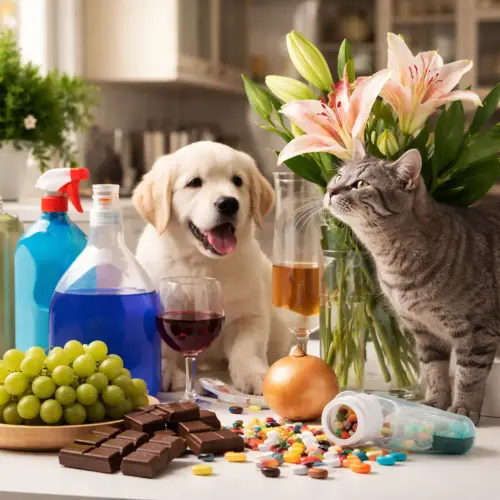
Our homes are filled with products designed to make life easier, but many are hidden threats to our four-legged companions. Every year, thousands of pets are rushed to emergency clinics after ingesting household poisons for pets. The good news is that with a little knowledge and proactive effort, most poisonings are entirely preventable. This guide walks you through the 12 most common culprits and how to keep your animals safe. For a related guide, see 13 Dangerous Human Foods Pets Should Never Eat – Expert Warnings.
12 Common household items that can poison pets
1. Chocolate
Chocolate contains theobromine and caffeine, both of which can cause vomiting, diarrhea, rapid breathing, and even seizures in dogs and cats. Dark and baking chocolate are the most dangerous. Keep all chocolate products securely stored in cabinets your pet cannot open.
2. Xylitol
This artificial sweetener is found in sugar-free gum, candy, baked goods, and some peanut butters. Xylitol causes a rapid insulin release in dogs, leading to dangerously low blood sugar and liver failure. Always check ingredient labels and choose pet-safe peanut butter without xylitol.
3. Grapes and Raisins
Even small amounts of grapes or raisins can cause acute kidney failure in dogs. Symptoms include vomiting, lethargy, and loss of appetite. Keep fruit bowls on high counters or in closed pantries.
4. Onions and Garlic
These alliums damage red blood cells in dogs and cats, leading to anemia. Poisoning can occur from raw, cooked, or powdered forms. Avoid adding garlic or onion to your pet’s food and keep them out of reach in the kitchen.
5. Household Cleaners
Bleach, ammonia, toilet bowl cleaners, and certain disinfectants can cause chemical burns and respiratory distress if ingested or inhaled. Use pet-safe cleaning products whenever possible, and always store cleaners in locked cabinets or high shelves.
6. Medications (Human and Veterinary)
Pain relievers like ibuprofen and acetaminophen are extremely toxic to pets. Even a single pill can cause stomach ulcers, kidney failure, or liver damage. Keep all medications — including pet meds — in childproof containers away from curious noses.
7. Lilies
Lilies are especially dangerous for cats. Ingestion of any part of the plant — petals, leaves, pollen, or even water from the vase — can cause severe kidney failure. Avoid bringing lilies into your home if you have cats, and remove them from bouquets immediately.
8. Antifreeze (Ethylene Glycol)
Antifreeze has a sweet taste that attracts pets, but even a small amount can lead to kidney failure and death within hours. Clean up any spills immediately and store antifreeze in sealed, labeled containers on high shelves. Consider using propylene glycol–based alternatives that are less toxic.
9. Rodenticides and Insecticides
Rat poisons and certain bug sprays contain ingredients that cause internal bleeding, seizures, or respiratory failure. Use pet-safe pest control methods when possible, and place baits in areas your pet cannot access, such as behind appliances or in locked bait stations.
10. Alcohol and Raw Dough
Alcohol — even small amounts in drinks or extracts — can cause intoxication, respiratory distress, and coma. Raw bread dough expands in the stomach and produces ethanol, leading to bloating and alcohol poisoning. Keep beverages covered and dough away from pets.
11. Tobacco and Nicotine Products
Nicotine in cigarettes, vape juice, and nicotine gum can cause vomiting, tremors, and heart arrhythmias. Even a single cigarette butt can be dangerous to a small dog. Keep all tobacco products in sealed containers out of reach.
12. Certain Essential Oils
Tea tree, cinnamon, pine, peppermint, and ylang-ylang oils are toxic to pets, especially cats. Diffusers and topical applications can cause respiratory issues, drooling, and skin irritation. Use pet-safe essential oils only after consulting your veterinarian.
How to Practice pet poisoning prevention at Home
Preventing poisoning starts with awareness and a few deliberate changes around the house. Follow these steps to reduce risks and keep your animals healthy.
Step 1: Conduct a Room-by-Room Audit
Walk through each room and identify potential toxins: cleaning supplies under the sink, dropped pills on the bathroom floor, or a chocolate bar left on the coffee table. Move harmful items to high, closed cabinets or lockable storage.
Step 2: Replace High-Risk Products with Safer Alternatives
Use pet-safe cleaning brands (like Seventh Generation or Mrs. Meyer’s), switch to cat-safe plants (such as spider plants or Boston ferns), and choose xylitol-free peanut butter. Small changes make a big difference in pet poisoning prevention.
Step 3: Know the Signs and Act Fast
If your pet ingests something toxic, look for vomiting, diarrhea, excessive drooling, lethargy, weakness, collapse, or seizures. Call your veterinarian or the Pet Poison Helpline immediately (1-800-213-6680). Keep the product container for reference.
Quick Reference Table of common pet toxins at home
| Toxin | Common Source | Symptoms | Action |
|---|---|---|---|
| Chocolate | Bars, baked goods | Vomiting, rapid breathing, seizures | Vet immediately |
| Xylitol | Gum, candy, peanut butter | Weakness, collapse, liver failure | Emergency vet |
| Grapes/Raisins | Snacks, trail mix | Vomiting, lethargy | Vet care |
| Onions/Garlic | Cooked or raw food | Anemia, pale gums, weakness | Vet evaluation |
| Lilies | Flowers, vases | Kidney failure (cats) | Emergency vet |
Conclusion: Protect Your Pets Today
By learning which household items that can poison pets are in your home and taking simple preventive measures, you can dramatically reduce the risk of accidental poisoning. Start with a thorough pet-proofing session, replace dangerous products with safe alternatives, and keep emergency numbers handy. Every step you take brings you closer to a happier, healthier home for your furry family member.
Useful Resources
For more information on household poisons for pets, visit the ASPCA Animal Poison Control Center for a comprehensive list of toxic substances and 24/7 helpline details.
Check the Pet Poison Helpline for an updated database of common toxins and specific treatment guidelines.
Frequently Asked Questions About household items that can poison pets
What are the most common household items that can poison pets?
The most common include chocolate, xylitol, grapes, onions, garlic, cleaning products, human medications, lilies, antifreeze, rodenticides, alcohol, and certain essential oils. For a related guide, see 8 Dangerous Foods for Pets: Avoid These Toxic Risks.
Can one grape really kill my dog?
Yes. Some dogs are highly sensitive, and even one grape can cause acute kidney failure. It’s best to avoid grapes and raisins entirely in households with dogs.
Is coffee toxic to pets?
Coffee contains caffeine, which can cause restlessness, rapid breathing, heart palpitations, and seizures. Keep coffee grounds, beans, and brewed coffee out of reach.
What should I do if my pet eats chocolate?
Contact your veterinarian or a pet poison hotline immediately. Provide details about the type and amount of chocolate eaten. Do not wait for symptoms to appear.
Are onions dangerous for cats too?
Yes, onions are toxic to both dogs and cats. They can cause oxidative damage to red blood cells, leading to anemia. Avoid adding any onion or garlic to their food.
How long after ingestion do poisoning symptoms appear?
Symptoms can appear within 30 minutes to several hours, depending on the toxin. In some cases like antifreeze, signs can be delayed but kidney damage begins quickly.
Can my cat be poisoned by a lily in the vase water?
Yes, the water from a vase containing lilies can be toxic to cats. Even small amounts can cause severe kidney failure. Remove lilies from your home if you have cats.
Are essential oil diffusers safe around pets?
Many essential oils are toxic when diffused, especially for cats. Oils like tea tree, peppermint, and cinnamon can cause respiratory distress and neurological issues. Use diffusers in well-ventilated rooms and only with vet-approved oils.
What is xylitol poisoning in dogs?
Xylitol is a sweetener that causes a sudden release of insulin, leading to hypoglycemia (low blood sugar). Symptoms include lethargy, collapse, and seizures. It can be fatal without quick treatment.
Can my pet get sick from licking a cleaning product spill?
Yes, many cleaning products can cause chemical burns in the mouth, drooling, vomiting, and respiratory irritation. Always keep pets away from spills and rinse the area thoroughly.
What’s the best way to store medications safely from pets?
Store all medications – human and veterinary – in childproof containers placed in high, closed cabinets. Never leave pills on nightstands or countertops.
Is it safe to give my dog over-the-counter pain relievers?
No. Human pain relievers like ibuprofen, acetaminophen, and naproxen are extremely toxic to pets. Only use veterinary-prescribed pain medications.
Can raw bread dough harm my pet?
Yes. The dough expands in the warm stomach, causing bloating and potentially a twisted stomach. The yeast also produces ethanol, leading to alcohol poisoning.
What are signs of antifreeze poisoning in pets?
Early signs include staggering, excessive thirst, and vomiting. Within hours, kidney failure occurs. Immediate veterinary treatment is essential for survival.
Are all essential oils bad for dogs?
No. Some oils like lavender and chamomile can be safe in very dilute forms, but it’s best to consult your veterinarian before using any essential oil around your pet.
How do I know if my pet has ingested a rodenticide?
Symptoms depend on the type of poison but include bleeding (from gums or nose), weakness, seizures, or difficulty breathing. Seek emergency care and bring the product label.
Can nicotine from e-cigarettes harm pets?
Yes, e-liquid and used cartridges contain high levels of nicotine that can cause tremors, seizures, and heart arrhythmias. Keep all vaping products secured.
Are there pet-safe alternatives to lilies?
Yes, spider plants, Boston ferns, areca palms, and African violets are safe for cats. Always check the ASPCA list of non-toxic plants before bringing new greenery home.
What should I include in a pet first-aid kit?
Include a bottle of hydrogen peroxide (for inducing vomiting only on vet advice), a syringe, gauze, tweezers, and the phone numbers of your vet and the nearest 24-hour emergency clinic.
How can I pet-proof my kitchen for poison prevention?
Store all foods in secure cabinets or the refrigerator, use trash cans with locking lids, keep counters clear of dropped food or gum, and secure cleaning products under the sink with a childproof lock.