



keep your cat hydrated and healthy Key Takeaways
Cats evolved from desert dwellers and naturally have a low thirst drive, which makes dehydration a common and often overlooked health risk.
- keep your cat hydrated and healthy by mixing wet food into their diet and #8212;it provides up to 80% of their daily moisture.
- A cat water fountain mimics moving water, triggering your feline and #8217;s natural instinct to drink more.
- Simple changes like adding water to dry kibble or placing multiple bowls around the house can dramatically improve total fluid intake.
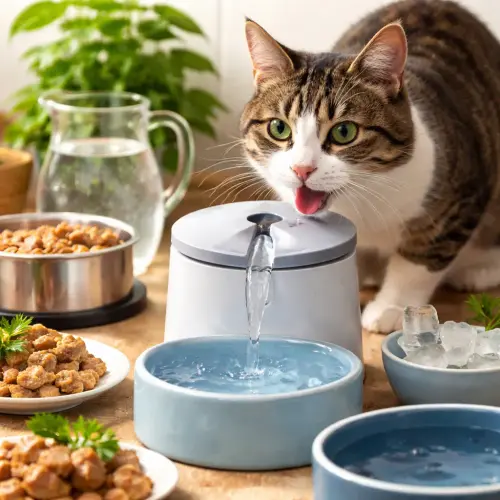
Why Proper Hydration Is the Foundation of Healthy Cat Tips
Water is involved in nearly every bodily function, from digestion and joint lubrication to regulating body temperature and flushing toxins. Unlike dogs, cats don’t drink much by instinct. A 10-pound cat needs roughly 1 cup of water per day, but many don’t get it. Chronic low-level dehydration can lead to kidney disease, urinary crystals, bladder stones, and constipation. That’s why proactive cat hydration strategies are essential for every cat owner.
Tip 1: Transition to High-Moisture Wet Food
The single most effective way to boost fluid intake is to switch from dry kibble to canned or pouch wet food. Dry food contains only 6–10% moisture, while wet food provides 75–85%. If you feed a mix, the moisture in the wet portion still contributes significantly. Look for foods where meat or broth is listed first. Consult your vet before a full diet change, especially if your cat has special health needs. For a related guide, see 10 Best Feeding Practices: Expert Tips for Healthy Growth.
Tip 2: Add Water or Broth to Kibble
If your cat refuses wet food or you prefer feeding dry, simply add water. Start by pouring a small amount in the bowl and mixing it with the kibble. For pickier cats, try a low-sodium chicken or bone broth (no onions or garlic). Gradually increase the liquid amount over a week. This is a gentle way to keep your cat hydrated without upsetting their routine.
Tip 3: Invest in a Cat Water Fountain
Running water is instinctively more appealing to cats than still water. A cat water fountain provides a continuous flow that encourages more frequent drinking. Many models also filter out hair and debris, keeping the water fresh. Choose a fountain with a large capacity and a quiet pump. Clean it every few days to prevent biofilm buildup. This tip is especially helpful for multi-cat households.
Tip 4: Place Multiple Water Stations Around Your Home
Cats prefer to drink in quiet, safe spots away from their food and litter boxes. Place several wide-mouthed ceramic or glass bowls in different rooms: the living room, bedroom, hallway, and even your home office. Keep them away from high-traffic areas and away from the food dish (many cats don’t like the smell of food near their water). The visual reminder of seeing water in multiple places can increase daily intake significantly. For a related guide, see 7 Easy Home Cleaning Tips Every Pet Owner Needs.
Tip 5: Try Ice Cubes and Frozen Treats
Some cats love playing with ice cubes. Drop one or two in their water bowl or on a flat dish. The sound and movement can spark curiosity and lead to a few extra licks. You can also freeze low-sodium broth into small ice cube trays for a hydrating treat on warm days. Just be sure the cubes are small enough to avoid choking, and supervise playtime if your cat is an aggressive chewer.
Tip 6: Use Flavored Water Enticers
Plain water can be boring. Adding a few drops of tuna juice (from water-packed tuna, not oil) or a splash of unsalted chicken broth to the water bowl can make it more appealing. Commercial water flavor enhancers for cats are also available. Rotate flavors to keep things interesting. This is a simple and effective way to encourage cat hydration for the fussy feline.
Tip 7: Monitor Water Intake With a Daily Checklist
It’s hard to manage what you don’t measure. Use a simple daily log or a smartphone app to track how much your cat drinks. Refill the bowl to the same level each morning and check the difference at night. Note any sudden drops in intake, as that can signal health problems. If you notice your cat drinking significantly more than usual, contact your vet, as that can be a sign of diabetes or kidney issues.
Tip 8: Schedule Regular Vet Checkups to Catch Dehydration Early
Even with the best home strategies, regular veterinary visits are crucial. Your vet can check for early signs of dehydration through skin tenting tests, gum moisture, and blood work. They can also recommend a tailored hydration plan if your cat has a chronic condition like kidney disease or hyperthyroidism. Prevention is always better than treatment.
Useful Resources
For more guidance on feline nutrition and hydration, visit the VCA Hospitals cat feeding guide, which offers vet-reviewed advice on moisture needs. The CatInfo.org website also provides in-depth, research-based articles on the importance of wet food and water for cat health.
Frequently Asked Questions About keep your cat hydrated and healthy
How much water should a cat drink each day?
A general rule is about 1 cup of water per 10 pounds of body weight. This includes moisture from food. Cats on wet food often get most of their water through meals, while dry-food-fed cats need to drink more.
Can I give my cat tap water?
Yes, in most areas tap water is safe. Some cats are sensitive to chlorine or minerals, so filtered or bottled water may be preferred. If your cat suddenly stops drinking tap water, consider trying a different source.
How can I tell if my cat is dehydrated?
Common signs include dry or tacky gums, sunken eyes, lethargy, loss of appetite, and skin that stays tented when gently pinched. If you suspect dehydration, contact your veterinarian immediately.
Does wet food really help with hydration?
Yes, wet food contains up to 80% moisture, which directly contributes to your cat’s daily fluid needs. Replacing even half of a dry-food diet with wet food can significantly improve total water intake.
Are water fountains better than bowls for cats?
Many cats prefer moving water, so fountains can encourage more drinking. They also keep water cooler and fresher. However, some cats are fine with bowls. The best choice depends on your individual cat’s preferences.
Should I add water to dry cat food?
Yes, adding water to dry kibble is a simple way to increase moisture intake. Use warm water to release more aroma, which can make the food more appealing. Start with small amounts and gradually increase.
Can cats drink milk for hydration?
Most adult cats are lactose intolerant, so cow’s milk can cause digestive upset. There are lactose-free cat milks available, but plain water remains the healthiest choice. Milk should not replace water.
How often should I change my cat and #8217;s water?
Change the water daily and wash the bowl with mild soap. Stale or dirty water can harbor bacteria and discourage drinking. For fountains, follow the manufacturer’s cleaning schedule, usually every 2–3 days.
What are the best types of water bowls for cats?
Stainless steel, ceramic, or glass bowls are best because they resist bacterial growth and don’t hold odors. Avoid plastic bowls, as they can cause chin acne in some cats. Wide, shallow bowls are ideal.
How can I encourage an older cat to drink more?
Offer wet food, add broth to meals, and use a fountain. Senior cats may have decreased thirst sensation, so it’s important to monitor intake. Consult your vet if your older cat shows signs of dehydration.
Does my cat need flavored water?
While not necessary, a tiny amount of tuna juice or low-sodium chicken broth can make water more enticing for picky drinkers. Avoid additives with salt, onions, or garlic. Rotate flavors to maintain interest.
Can dehydration cause urinary problems in cats?
Yes, dehydration concentrates urine, increasing the risk of urinary crystals, stones, and infections. Adequate water intake helps dilute urine and flush the bladder, reducing these risks significantly.
Is it safe to give my cat ice cubes?
Yes, most cats can safely lick or play with ice cubes. Use small cubes to prevent choking. Some cats enjoy them as a treat on hot days. Supervise initially to see how your cat reacts.
What should I do if my cat refuses to drink water?
Try multiple solutions: switch to wet food, add water to food, use a fountain, offer broth, or change bowl type/location. If the refusal persists for more than 24 hours, consult your vet to rule out underlying illness.
How do I clean a cat water fountain?
Disassemble the fountain and wash all parts with warm, soapy water every few days. Rinse thoroughly. Use a small brush to clean the pump and motor housing. Replace filters as recommended by the manufacturer.
Can cats get enough water from dry food alone?
No, dry food contains only 6–10% moisture, which is far below a cat’s natural prey-based diet (70%+). Cats on dry food must drink significantly more water to compensate, but many don’t drink enough.
Does a cat and #8217;s breed affect its water needs?
While all cats need adequate hydration, certain breeds predisposed to kidney issues (like Persians and Maine Coons) may benefit from extra encouragement. Always consult your vet for breed-specific guidance.
How does dehydration affect a cat and #8217;s skin and coat?
Dehydration can make the skin less elastic and the coat appear dull, dry, or flaky. Proper hydration helps maintain healthy skin and a glossy coat by supporting circulation and nutrient delivery.
Can I use a syringe to give my cat water?
Only if instructed by your vet, typically for sick or post-surgery cats. Never force water into a cat’s mouth, as it can be aspirated into the lungs. Use only on veterinary advice.
What is the connection between exercise and hydration?
Exercise increases metabolic rate and fluid loss through panting and minor sweating (via paw pads). Active and playful cats need access to fresh water before and after play sessions to stay properly hydrated.