


serious health problems in pets Key Takeaways
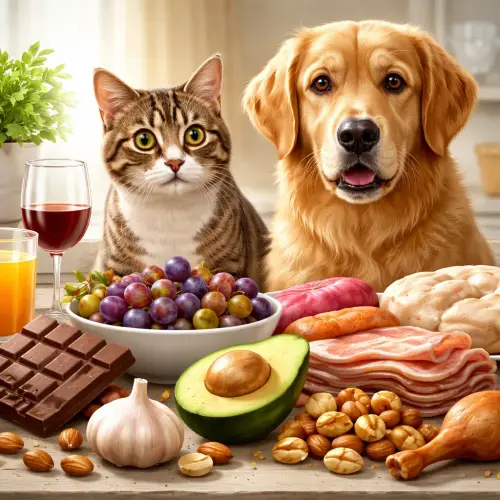
Many common foods in your kitchen can trigger serious health problems in pets , from chocolate and grapes to xylitol-sweetened gum.
- Many human foods, including chocolate, grapes, and onions, can cause serious health problems in pets such as kidney failure, seizures, or internal bleeding.
- Symptoms of toxicity vary widely — vomiting, diarrhea, lethargy, and collapse — but immediate veterinary care improves outcomes dramatically.
- Keep dangerous foods out of reach and always consult a veterinarian if you suspect your pet has ingested something harmful.
Why Understanding Foods Toxic to Pets Is Crucial for Owners
As loving pet owners, we share our homes and sometimes our plates with our furry friends. Yet a small nibble of the wrong snack can lead to serious health problems in pets, including organ damage, neurological issues, or even death. The American Veterinary Medical Association estimates that thousands of pets are treated each year for food-related toxicities. Knowing which foods are dangerous for dogs and cats, recognizing early warning signs, and acting fast can make all the difference between a full recovery and a tragedy. For a related guide, see 8 Dangerous Foods for Pets: Avoid These Toxic Risks.
11 Common Foods That Cause Serious Health Problems in Pets
The following are the most frequent culprits behind pet poisoning cases. Each entry explains why the food is harmful, symptoms of ingestion, and what to do in an emergency.
1. Chocolate
Chocolate contains theobromine and caffeine, two methylxanthines that dogs and cats cannot metabolize efficiently. Dark, baking, and unsweetened chocolates pose the highest risk. Even small amounts can cause vomiting, diarrhea, rapid heart rate, tremors, and seizures. If your pet eats chocolate, call your veterinarian or an animal poison control center immediately.
2. Grapes and Raisins
Both grapes and raisins can suddenly lead to acute kidney failure in some dogs, even when eaten in small quantities. The exact toxin remains unknown, but the effects are devastating. Symptoms include vomiting, lethargy, loss of appetite, and decreased urine output. Do not wait for signs — if your dog ingests grapes or raisins, get emergency help right away.
3. Onions, Garlic, and Chives
These allium family members contain compounds that damage red blood cells, causing hemolytic anemia in dogs and cats. Garlic is more toxic than onions, but all forms — raw, cooked, powdered — are dangerous. Symptoms include weakness, pale gums, rapid breathing, and dark urine. Seek veterinary care if your pet consumes more than a small taste.
4. Xylitol (Sugar-Free Sweetener)
Xylitol is an artificial sweetener in gum, candy, baked goods, toothpaste, and some peanut butters. In dogs (and possibly ferrets) xylitol triggers a massive insulin release, causing dangerously low blood sugar within 15–30 minutes. Symptoms include vomiting, weakness, tremors, seizures, and coma. If a product label lists xylitol, call your veterinarian immediately.
5. Macadamia Nuts
Macadamia nuts cause a unique syndrome in dogs characterized by weakness, vomiting, tremors, hyperthermia, and difficulty walking. The mechanism is not well understood, but even a few nuts can trigger symptoms. Most dogs recover with supportive care, but prompt veterinary attention is essential.
6. Alcohol and Raw Dough
Alcohol poisoning in pets can occur from drinking alcoholic beverages or eating unbaked bread dough. Yeast in dough ferments in the stomach, producing ethanol and carbon dioxide, leading to bloating, vomiting, and alcohol intoxication. Symptoms include disorientation, staggering, hypothermia, and in severe cases, respiratory failure. Always call a veterinarian if your pet consumes alcohol or raw yeast dough.
7. Avocado
Avocado contains persin, a fungicidal toxin that can cause vomiting and diarrhea in dogs and cats. The pit, if swallowed, also poses a choking hazard or intestinal blockage. While the flesh is less dangerous than the pit and skin, it’s best to avoid feeding avocado to your pet. If your pet ingests a large amount or shows distress, contact your vet.
8. Caffeine
Caffeine is found in coffee, tea, energy drinks, soda, and even some medications. Similar to chocolate, caffeine overstimulates the nervous system and heart. Symptoms include restlessness, panting, vomiting, elevated heart rate, tremors, and seizures. Seek emergency veterinary care if your pet ingests caffeine.
9. Cooked Bones and Fatty Trimmings
Cooked bones can splinter and cause perforations or obstructions in the digestive tract. Fatty trimmings, especially from beef or pork, can trigger pancreatitis, a painful and potentially fatal condition in dogs. Symptoms include vomiting, diarrhea, abdominal pain, and loss of appetite. Avoid giving any cooked bones or fatty scraps to your pet.
10. Milk and Dairy Products
Many adult dogs and cats are lactose intolerant. While a few licks of cheese may be safe, larger amounts of milk, ice cream, or other dairy can cause diarrhea, vomiting, and gastrointestinal upset. For pets with sensitive stomachs or underlying conditions, dairy can trigger dehydration or exacerbate chronic issues. Stick to pet-safe treats instead.
11. Salt and Salty Snacks
Excessive sodium consumption can lead to salt poisoning in pets. Symptoms include excessive thirst, urination, vomiting, diarrhea, tremors, and in severe cases, seizures or coma. Common sources include chips, pretzels, salted popcorn, and even table salt added to homemade food. Always provide fresh water and avoid salty human snacks.
How to Respond to a Pet Food Emergency
If you suspect your pet has ingested one of these toxic foods, stay calm but act quickly. Remove any remaining food from reach and try to determine what and how much your pet ate. Call your veterinarian or a pet poison control hotline (such as the ASPCA Animal Poison Control Center or Pet Poison Helpline) immediately. Do not induce vomiting unless instructed by a professional, as some toxins cause more damage when brought back up. Have the product label or packaging available for reference.
Signs That Require Immediate Veterinary Attention
Seek emergency care if your pet shows any of these symptoms after eating a potentially toxic food: vomiting or diarrhea (especially with blood), seizures, loss of consciousness, difficulty breathing, pale gums, weakness or collapse, or inability to stand. Even if no symptoms appear, it’s wise to call your vet for guidance — some toxins have a delayed onset of action.
Preventing Serious Health Problems in Pets Through Diet Safety
The best way to avoid serious health problems in pets is prevention. Always store human food in cabinets or containers that are inaccessible to pets. Keep garbage cans secured and compost bins covered. Educate family members and guests about foods toxic to pets, and never let children feed pets from their plates. For treats, stick to commercial pet-safe products or raw vegetables like carrot sticks or green beans.
Creating a Pet-Safe Kitchen
Designate a drawer or cabinet for pet treats and a separate one for human snacks. Use childproof locks for lower cabinets where you store onions, garlic, chocolate, or gum. When cooking, keep pets out of the kitchen to avoid accidental access to hot pans or dropped ingredients. A few simple habits can dramatically reduce the risk of serious health problems in pets. For a related guide, see 13 Dangerous Human Foods Pets Should Never Eat – Expert Warnings.
Comparison of 11 Toxic Foods: Symptoms and Severity
| Food | Primary Toxin | Main Symptoms | Emergency Action |
|---|---|---|---|
| Chocolate | Theobromine | Vomiting, tremors, rapid heart rate | Call vet immediately |
| Grapes and Raisins | Unknown | Vomiting, lethargy, kidney failure | Emergency vet visit |
| Onions and Garlic | Thiosulfate | Weakness, pale gums, dark urine | Vet care, possible blood transfusion |
| Xylitol | Insulin surge | Weakness, seizures, coma | Immediate emergency treatment |
| Macadamia Nuts | Unknown | Weakness, tremors, hyperthermia | Supportive veterinary care |
| Alcohol | Ethanol | Disorientation, respiratory failure | Emergency vet, IV fluids |
| Avocado | Persin | Vomiting, diarrhea | Monitor, call vet if severe |
| Caffeine | Methylxanthine | Restlessness, heart issues, seizures | Emergency vet |
| Cooked Bones | Physical splintering | Obstruction, perforation | Surgical evaluation often needed |
| Milk/Dairy | Lactose | Diarrhea, gas, vomiting | Withhold food, offer water |
| Salt | Sodium | Thirst, tremors, seizures | Fresh water, vet if severe |
Useful Resources
For further reading on foods toxic to pets and emergency preparedness, consult these authoritative sources:
- ASPCA Animal Poison Control Center — 24/7 hotline and database of toxic substances for dogs and cats.
- Pet Poison Helpline — Expert guidance on poison emergencies and a searchable list of dangerous foods.
Frequently Asked Questions About serious health problems in pets
Can dogs eat bananas?
Yes, bananas are safe for dogs in small amounts, but they are high in sugar. Stick to a few thin slices as an occasional treat.
Is peanut butter safe for dogs?
Yes, as long as it does not contain xylitol. Always check the label — xylitol-free peanut butter is a safe treat in moderation.
How much chocolate is toxic to a dog?
It depends on the type of chocolate and the dog’s weight. Dark and baking chocolate are more concentrated — even 0.2 ounces per pound can be dangerous. Call your vet for guidance if any chocolate is consumed.
Are grapes toxic to cats too?
Most documented cases involve dogs, but grapes and raisins should be avoided for cats as well due to the potential for kidney damage.
What are the first signs of xylitol poisoning?
Vomiting, weakness, and lack of coordination can appear within 15–30 minutes. Seizures may follow if blood sugar drops dangerously low.
Can onions be toxic if cooked?
Yes, cooking does not destroy the toxic thiosulfates. Avoid all forms of onions, garlic, and chives for dogs and cats.
Is garlic safe in small amounts?
No. Garlic is more toxic than onions and can damage red blood cells even in small quantities. It should be completely avoided.
What should I do if my dog eats a macadamia nut?
Contact your veterinarian. Symptoms like weakness and tremors usually appear within 12 hours and require supportive care.
Can cats eat avocado?
It’s best to avoid avocado for cats. Persin can cause vomiting and diarrhea, and the pit is a choking hazard.
Is coffee harmful to dogs?
Yes, caffeine in coffee grounds, beans, or brewed coffee can cause rapid heart rate, hyperactivity, and seizures. Keep all caffeine sources away from pets.
Can raw bones be given to dogs?
Raw, uncooked bones from reputable sources can be safer than cooked bones, but they still carry risks of dental fractures, obstructions, and bacterial contamination. Consult your vet first.
What happens if a dog eats cooked chicken bones?
Cooked bones can splinter and cause choking, puncture the esophagus or intestines, or lead to a life-threatening infection. Seek emergency care.
Is cheese safe for dogs?
In small amounts, low-fat cheese can be a treat. However, many dogs are lactose intolerant, so avoid large quantities to prevent digestive upset.
Can dogs eat ham?
Ham is very high in salt and fat, which can lead to pancreatitis and salt poisoning. It is not recommended as a regular treat.
How much salt is dangerous for a dog?
As a rough guideline, 2–3 grams of salt per pound of body weight can be fatal. Even half a teaspoon can cause salt poisoning in a small dog. Always provide fresh water and avoid salty snacks.
Can cats drink milk?
Most adult cats are lactose intolerant and will develop diarrhea or vomiting after drinking milk. Water is the best beverage for cats.
Is bread dough dangerous for pets?
Yes, raw yeast dough can rise in the stomach and cause bloating, and the fermentation produces alcohol, leading to ethanol poisoning. Keep all dough containing yeast away from pets.
What are common symptoms of food poisoning in pets?
Vomiting, diarrhea, lethargy, loss of appetite, drooling, and in severe cases, seizures, collapse, or blood in the stool are signs of food poisoning.
Should I induce vomiting if my pet eats something toxic?
Only if explicitly instructed by a veterinarian. Inducing vomiting with hydrogen peroxide can cause more harm if done incorrectly or if the toxin is caustic.
How can I make my home safer for my pet?
Store all toxic foods in high cabinets or locked containers, keep garbage lids secure, and educate everyone in the household about dangerous foods for dogs and cats. A pet-safe home prevents most emergencies.